In our rapidly urbanizing world, we spend up to 90% of our lives indoors. This disconnect from nature—a fundamental, instinctive human need known as Biophilia—is a key contributor to modern stress and anxiety. The solution lies in Biophilic Design for Calm: a design philosophy that intentionally integrates natural elements and patterns into our built environments to nurture our well-being.
This is more than just adding a houseplant; it is a science-backed approach that fosters a deep connection between humans and nature. Numerous studies show that environments enriched with natural elements significantly lower the stress hormone cortisol, reduce blood pressure and heart rate, and enhance mood and cognitive function.
For your Cozy Crafted home, this blueprint provides actionable strategies for implementing Biophilic Design for Calm—no matter how small your space—transforming it into a tranquil refuge that naturally reduces anxiety and elevates your sense of peace.
🧘 THE SCIENCE OF SERENITY: HOW BIOPHILIA WORKS
Biophilic design works by activating our innate human affinity for living systems, triggering positive physiological and psychological responses.
| Psychological Benefit | Biophilic Mechanism | Evidence |
| Stress & Anxiety Reduction | Lowered Cortisol Levels | Exposure to natural elements has been shown to reduce stress hormones and improve mental health. |
| Enhanced Focus | Improved Cognitive Performance | Visual connection with nature enhances mental engagement and attentiveness. |
| Faster Recovery | Emotional Restoration | Hospital patients with views of nature recovered quicker and required less pain medication. |
| Tranquility | Auditory & Visual Cues | The presence and sound of moving water can increase feelings of tranquility, lowering heart rate. |
This intentional focus on nature makes it the ultimate expression of thoughtful, wellness-focused decor.
I. DIRECT CONNECTIONS: INCORPORATING LIVING ELEMENTS
Direct experience involves bringing life and light into the space in ways that feel instinctive and effortless.
1. Maximize Natural Light
Natural light is a vital component of biophilic design, as it impacts our mood and hormonal balance.
- Window Clarity: Keep windows clean and clear. Dirty glass reduces natural light, impacting energy and mood.
- Reflective Surfaces: Strategically place mirrors and glossy surfaces (like glass tabletops) to reflect and distribute natural light deeper into darker corners of the room.
- Window Placement: If you have control over renovations, maximize window exposure, especially those that provide a visual connection to nature.
2. Living Greenery
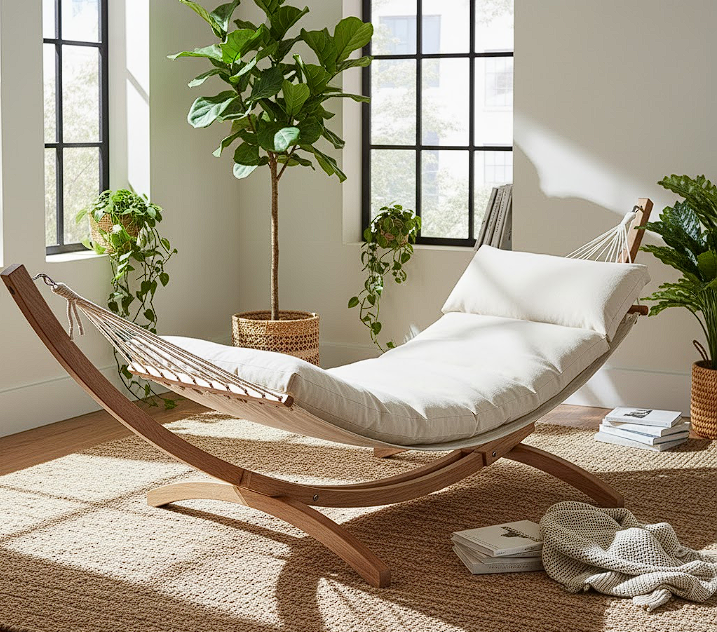
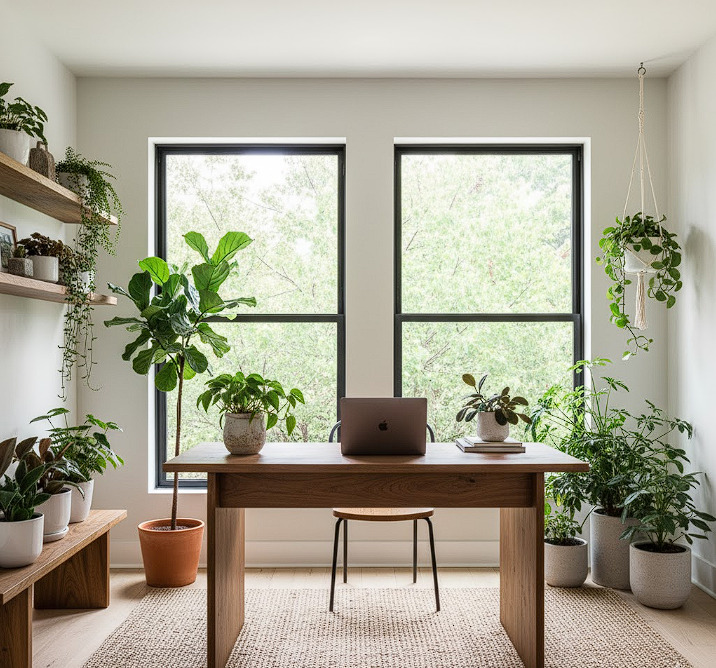
Plants are the most direct and impactful way to implement Biophilic Design for Calm.
- Air Purifiers: Plants not only beautify a space but also improve air quality and reduce symptoms of anxiety.
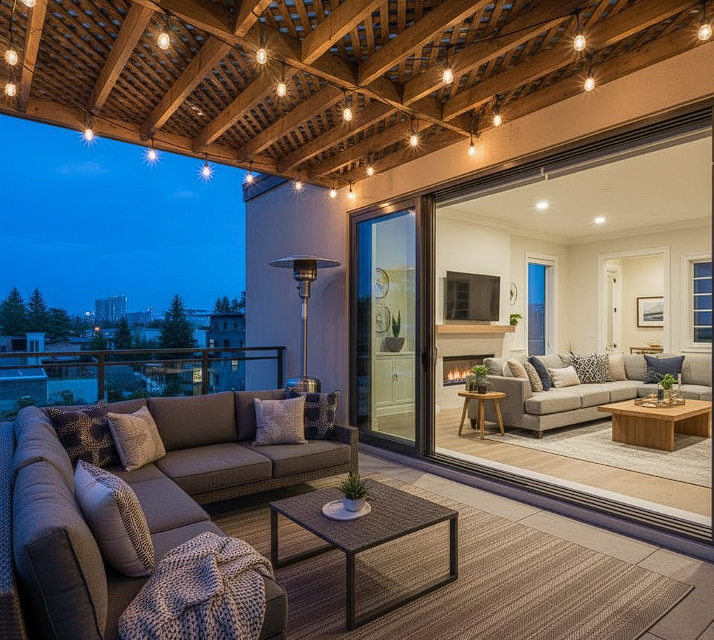
- Vertical Strategy: For small spaces, use vertical gardens or bookshelves that double as planters to maximize greenery without consuming valuable floor space, echoing the principles of Indoor-Outdoor Flow Small Spaces.
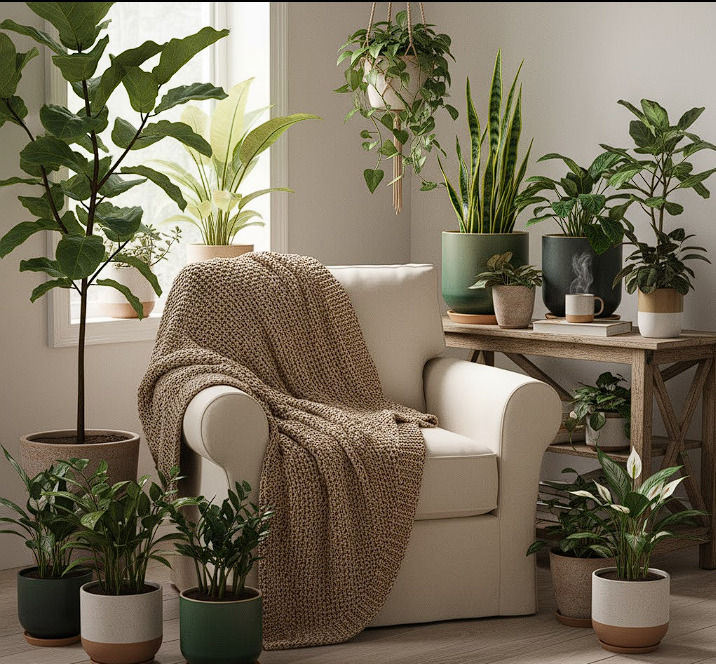
- Quantity Over Solitude: Grouping plants of different sizes and textures ferns, trailing vines, structured plants from The 5 Easiest Indoor Plants creates a lush, immersive environment that feels abundant.
II. INDIRECT CONNECTIONS: MIMICKING NATURE
Indirect experience involves using natural materials, patterns, and sensory cues to evoke the feeling of the natural world.
3. Organic Materials and Textures
Materials have a direct impact on stress levels. Choose raw, authentic textures.
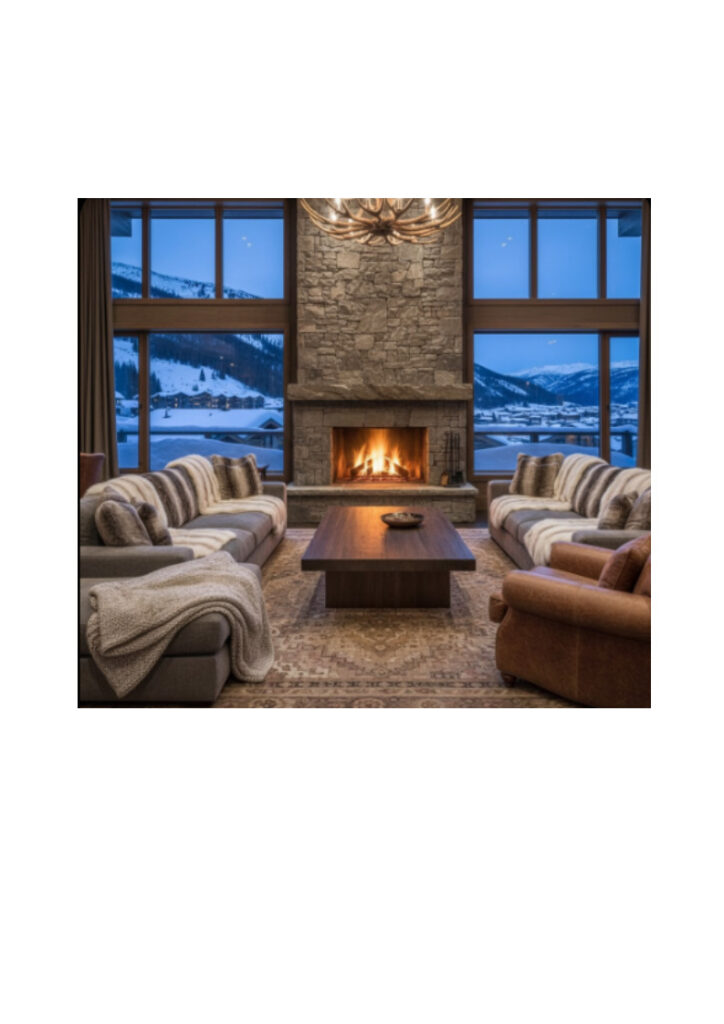
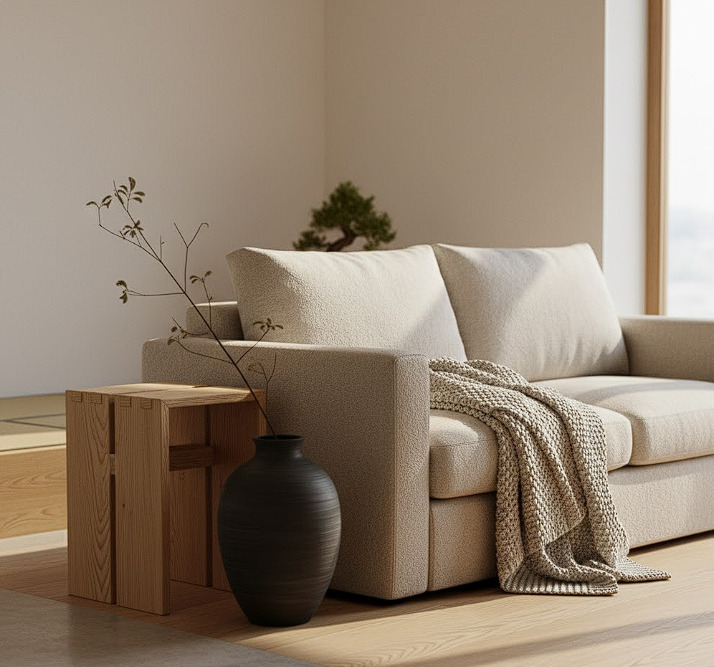
- Wood and Stone: Opt for furniture made from natural, untreated wood (reclaimed, bamboo, or teak) and use natural stone accents. This adds an immediate sense of rusticity and groundedness.
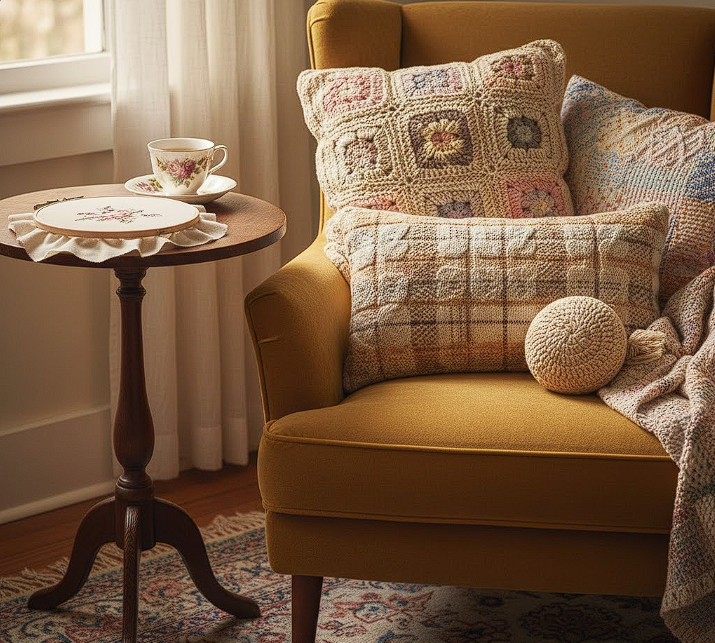
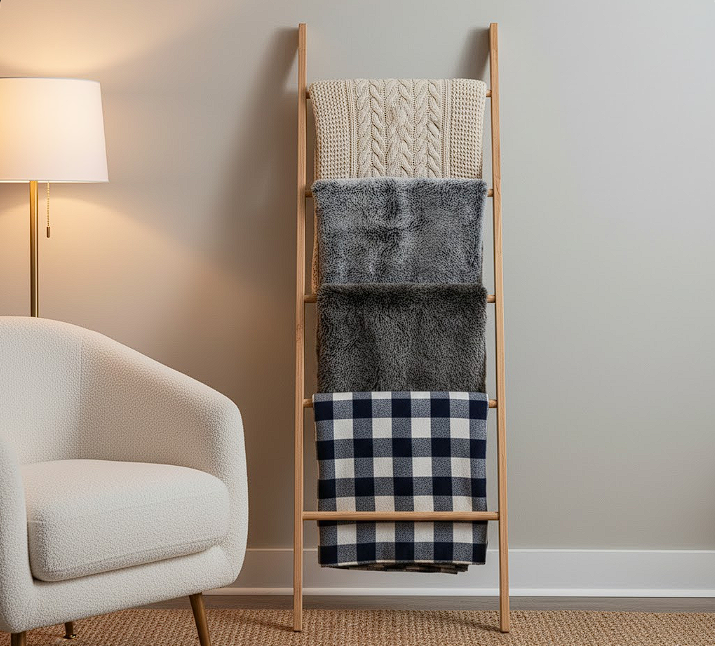
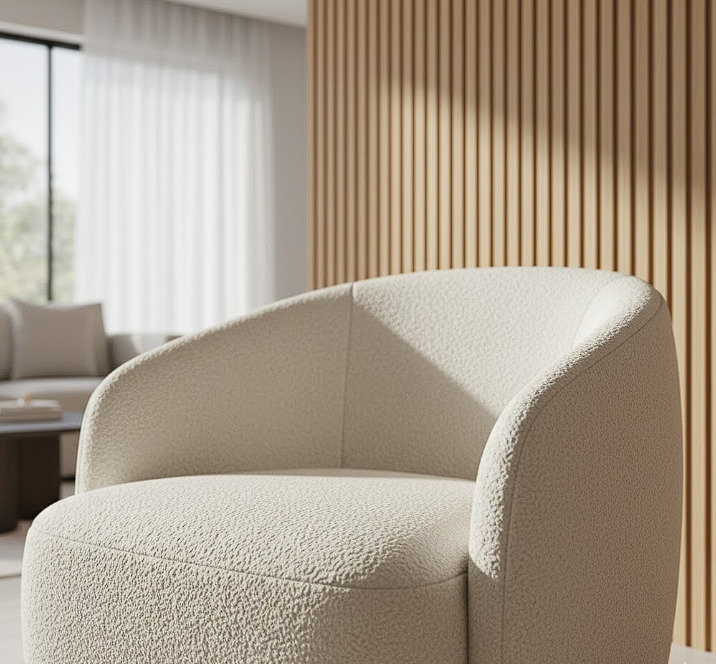
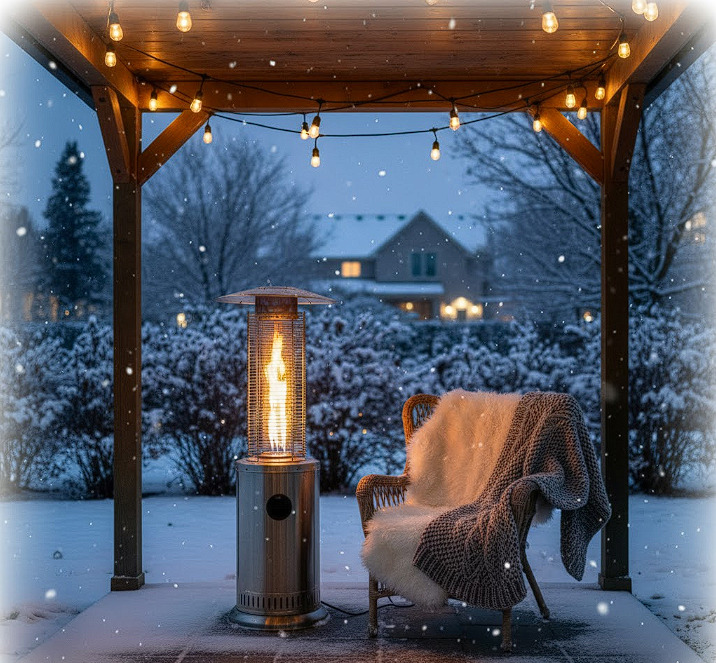
- Soft Textiles: Use soft, natural furnishings like organic wool, linen, and chunky knit fabrics in neutral, earthy tones like the ones suggested in our Cozy Autumn Decor guide to soften sharp architectural lines and add warmth.
- Natural Color Palette: Use colors that reflect the outdoors: moss green, deep blues, browns, and earthy tones can create a calming, natural aesthetic.
4. Non-Visual and Auditory Cues
Engaging senses beyond sight enhances the restorative quality of the space.
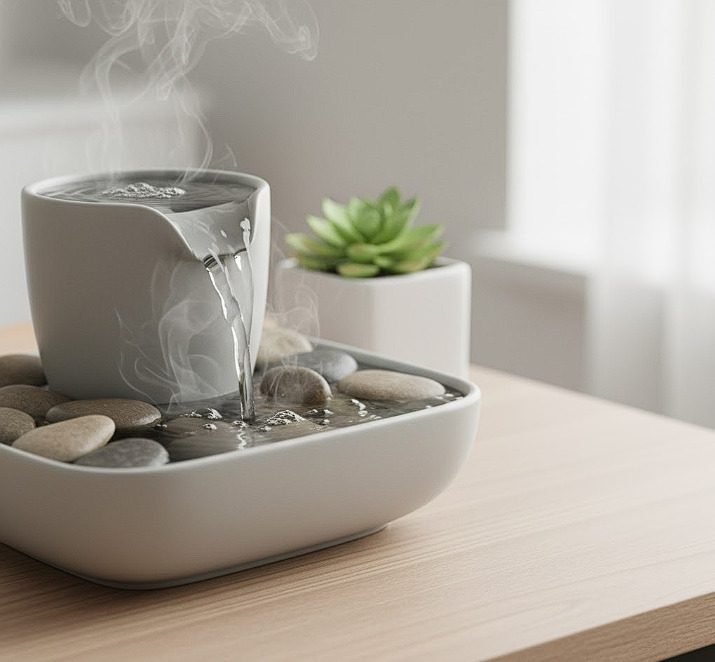
- Water Features: The gentle sound of a small indoor fountain or the simple trickle of water can lower the heart rate and promote relaxation.
- Airflow: Simply opening a window or leaving a door ajar to let fresh air flow reduces stuffiness and connects you to the changing outdoor environment. Use essential oil diffusers with natural scents (pine, cedar, citrus) to further enhance the sensory experience.
- Nature-Inspired Art: Display artwork, prints, or photography of natural landscapes (mountains, water, forests). Even pictures of nature have the same mental, well-being-enhancing effect as being outdoors.
5. Prospect and Refuge
Biophilic design incorporates spaces that balance openness (prospect) with the feeling of security (refuge).
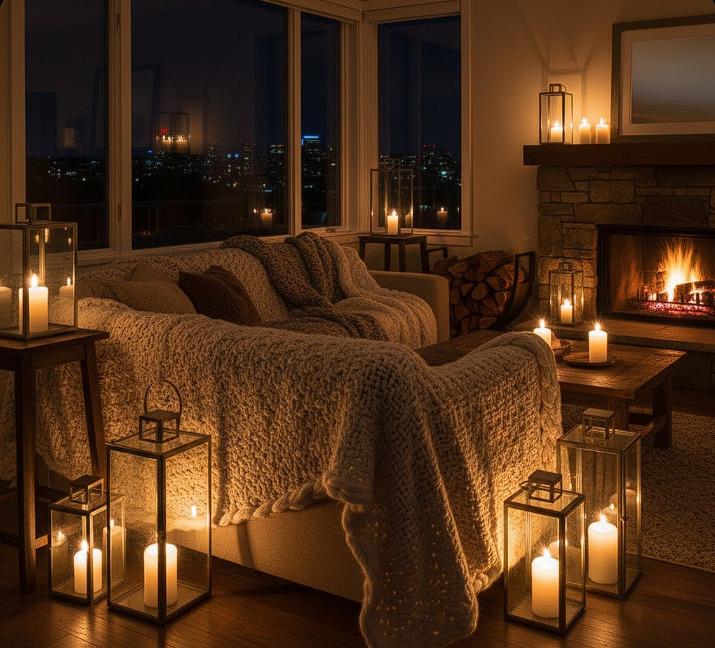
- Refuge Nooks: Create a dedicated Hyggekrog (cozy corner) where you can retreat. This should be a small, protected space—like an armchair tucked into an alcove, surrounded by pillows and blankets—where you feel safe while still having a view of the broader room or an open window.
- Prospect Views: Ensure your main seating area offers a broad visual access to the outdoor environment or an expansive view of the room. This balance between retreat and observation reduces stress.
The Science-Backed Benefits of Nature
Biophilic design is rooted in the human need for nature, a concept scientifically proven to improve health outcomes. Studies confirm that exposure to natural elements like light and greenery can lower blood pressure and heart rate, improving overall mental engagement. For a deeper dive into the 14 Patterns of Biophilic Design and the research supporting its cognitive and physiological benefits, you can consult the full study here.
Conclusion: Your Home is Your Healing Space
Implementing Biophilic Design for Calm is a profound investment in your personal well-being. By purposefully integrating the healing power of nature—through light, plants, textures, and sound—you are transforming your home from a simple shelter into a restorative sanctuary.
Embrace the organic shapes, the soothing textures, and the revitalizing light. Your home is now designed to support your mental clarity and emotional peace.
What is the easiest biophilic element you can add to your home today—a mirror, a new plant, or a water feature? Share your first step in the comments!
Love design for wellness? Save this Biophilic Design for Calm blueprint on Pinterest and follow Cozy Crafted for inspiring design and well-being strategies!