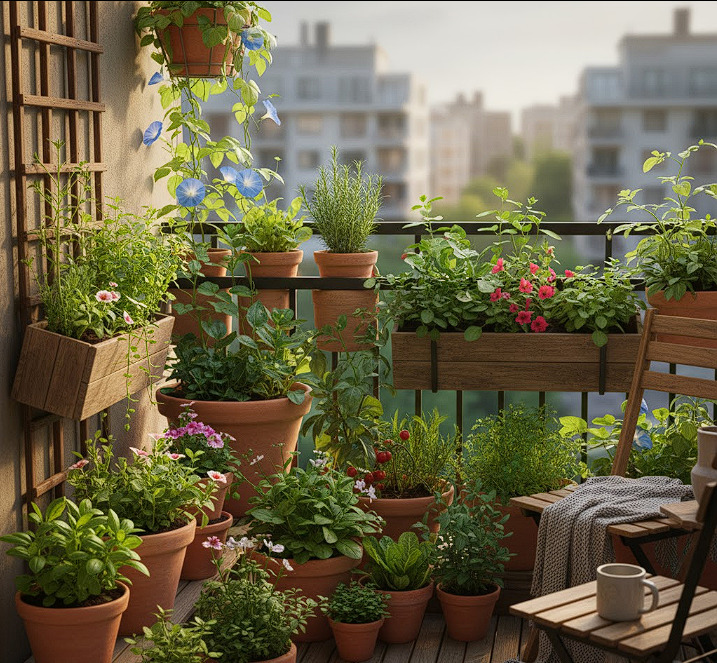
The dream of a lush, vibrant garden is often overshadowed by the reality of limited square footage. For urban dwellers or those with small yards, the idea of a green oasis can feel impossible. However, the solution is not more land; it’s smarter cultivation. Small space gardening, through the strategic use of containers, is the micro-revolution that allows anyone to cultivate beauty, food, and tranquility, regardless of their living situation.
The goal of Cozy Crafted gardening is to integrate nature seamlessly into your home life. Container gardening for small spaces is the perfect tool for this, allowing you to maximize vertical areas, control soil quality precisely, and create movable, flexible green zones.
This comprehensive guide will show you how to start a flourishing container garden on your patio, balcony, or even a sunny windowsill. We’ll cover the essential planning principles, the best pots for aesthetics and health, and the high-yield plants that thrive when space is limited.
2. THE FUNDAMENTALS: MAXIMIZING YOUR MICRO SPACE
Before you buy a single plant or pot, smart planning is the key to maximizing your limited area and ensuring the health of your cozy green oasis.
Assess Your Sunlight
Sunlight is the most critical factor. Observe your space every hour for a full day.
- Full Sun (6+ hours): Ideal for most vegetables (tomatoes, peppers) and flowering plants.
- Partial Sun (3-6 hours): Perfect for leafy greens (lettuce, spinach), herbs, and many flowers.
- Shade (Less than 3 hours): Focus on shade-loving plants like ferns, mosses, and specific herbs like mint.
Utilize Vertical Space
In small spaces, the only direction you can expand is up.
- Trellises and Cages: Use these for vining vegetables (cucumbers, beans) and flowers.
- Wall Planters: Mount planters directly onto fences or walls to create a living gallery that frees up floor space.
- Hanging Baskets: Ideal for trailing plants and strawberries, adding greenery at head height.
Learn how to maximize vertical areas while making everything more aesthetically pleasing.
3. CONTAINER SELECTION: AESTHETICS AND DRAINAGE
The right pot is a balance of drainage, size, and aesthetics that align with your Cozy Crafted style.
Drainage is Non-Negotiable
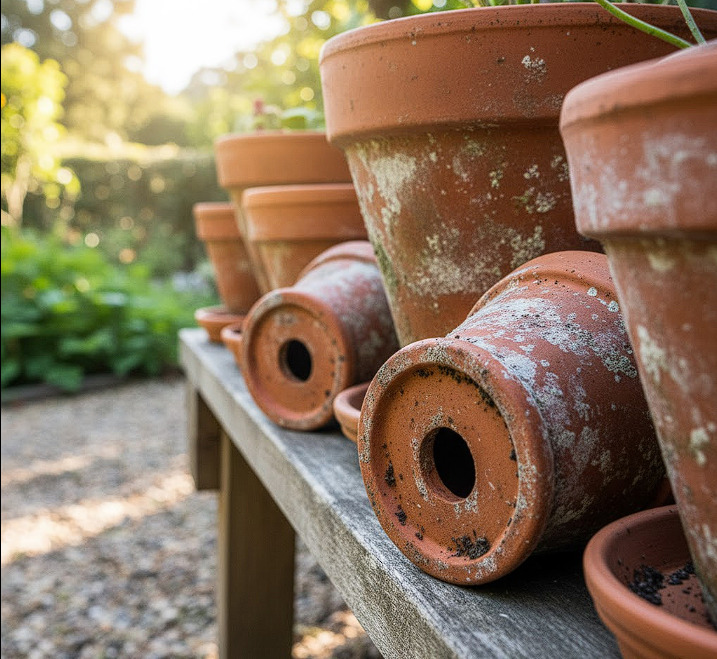
Regardless of the material, every container must have drainage holes at the bottom. Poor drainage is the number one killer of container plants. Standing water leads to root rot. If a pot lacks holes, you must drill them or use it as a decorative cachepot (a sleeve for a functional plastic pot).
Material Matters
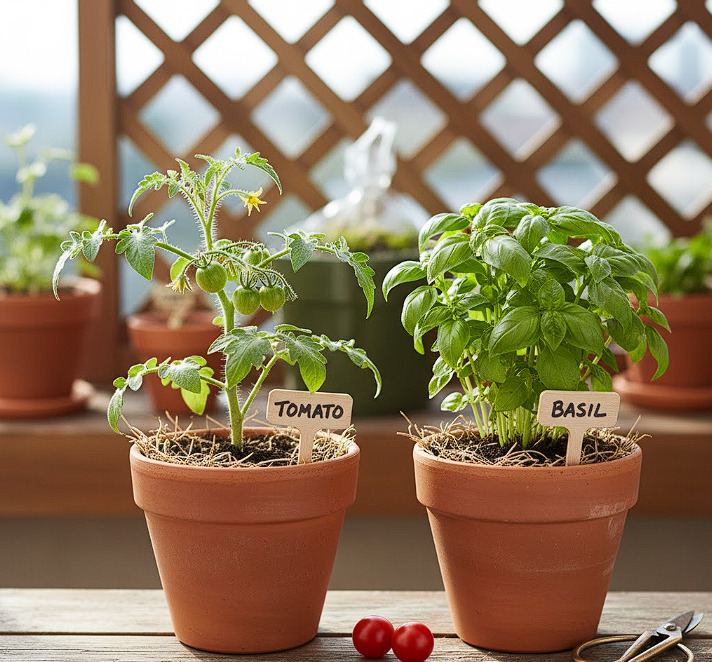
- Terracotta (The Classic Aesthetic): Highly porous, allowing air exchange and excellent for plants that prefer drier soil. It fits the rustic, warm aesthetic perfectly. Con: Dries out quickly in hot weather.
- Glazed Ceramic: Retains moisture well and offers a sleek, modern aesthetic. Con: Heavy and can cause root rot if overwatered.
- Fabric Pots: Excellent for vegetable roots (air pruning), lightweight, and budget-friendly, though less aesthetically cozy for prominent display areas.
The “Bigger is Better” Rule
A common beginner mistake is using pots that are too small. Larger pots offer more soil, which means more insulation against heat and slower drying times. This is vital for consistent moisture, especially for sun-loving plants.
4. SOIL AND WATERING SECRETS
You cannot use garden soil in containers; it compacts too much. The quality of your soil mix and the watering routine define success in small space gardening.
Choosing the Right Mix
Always use a high-quality potting mix (also called potting soil). It is specifically formulated to be light, airy, and well-draining. Adding a small amount of compost can boost nutrients and water retention.
The Watering Test
Containers dry out quickly. Never water on a schedule. Test the soil first: stick your finger about two inches down. If it feels dry, water thoroughly until water runs out of the drainage holes. If it feels moist, wait.
Feeding Your Plants
Since nutrients leach out with frequent watering, container plants need regular feeding. Use a slow-release granular fertilizer mixed into the soil at the start of the season, and supplement with a liquid fertilizer (like fish emulsion or general-purpose plant food) every 2-4 weeks.
5. HIGH-YIELD PLANTS FOR SMALL SPACES
Focus on plants that produce continuously or have a small footprint, maximizing the return on your limited space.
Herbs: The Cornerstone
Herbs are ideal for small spaces and essential for comfort cooking.
- Basil and Mint: Easy to grow, but plant Mint in its own separate container as it is highly invasive.
- Chives and Thyme: Great for continuous harvesting and tolerate slightly drier conditions. Essential for comfort cooking.
The “Cut and Come Again” Vegetables
- Leafy Greens: Lettuce, spinach, and kale can be harvested leaf by leaf.
- Bush Varieties: Look for dwarf or “bush” varieties of cucumbers, beans, and small tomatoes (like “Tiny Tim”) that are specifically bred for containers and do not require large trellises.
Aesthetic & Edible Flowers
Plant pansies, violas, and calendula. They add color, attract pollinators, and their petals are edible, adding a unique touch to salads and drinks. Petals are edible!!
6. COMMON CONTAINER GARDENING CHALLENGES
Even with the best planning, containers face unique issues compared to in-ground gardens.
Overheating and Drying Out
In summer, dark containers (like black plastic) can overheat the roots. Place the containers on risers or use light-colored pots to reflect heat. In extreme heat, group pots together to create shade for the roots.
Pests in Small Spaces
Pests like aphids and whiteflies can spread quickly in close quarters. Inspect plants daily. If you spot them, treat immediately with a gentle insecticidal soap or a strong spray of water. Control of organic waste in containers
7. CONCLUSION: CULTIVATING YOUR OASIS
Mastering Container Gardening for Small Spaces transforms any balcony, patio, or window ledge into a highly functional and beautiful green oasis. By prioritizing drainage, choosing the right mix of high-yield plants, and maintaining a consistent watering schedule, you can unlock the peace and aesthetic value of growing your own greens, anywhere you call home.
Start small with a few terracotta pots and a handful of herbs. The satisfaction of harvesting your first cozy meal ingredient is unmatched.
Which sunny spot in your home—a balcony corner, a patio step, or a kitchen window—will become your new cozy green oasis? Share your starting plan below!