
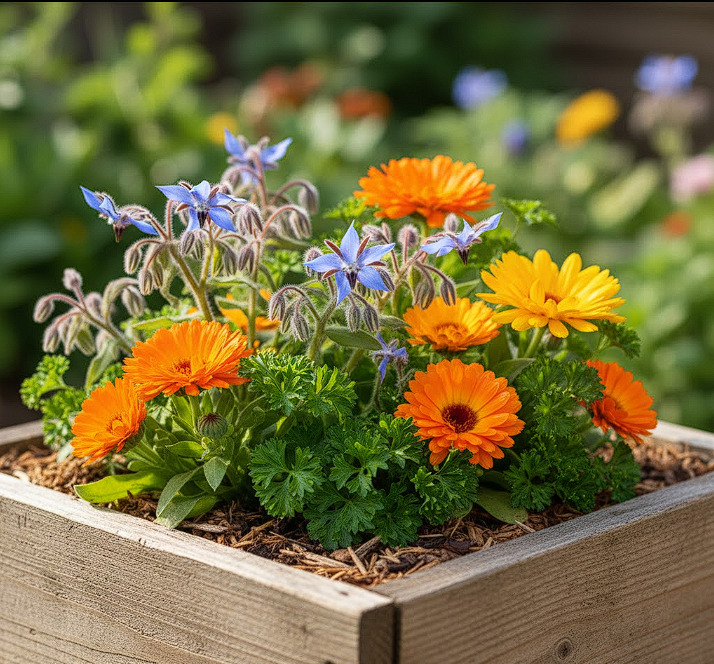
The most rewarding gardens are those that engage all the senses, offering not only beauty for the eye but flavor and therapeutic benefits for the body. The practice of growing edible flowers and herbs moves gardening beyond basic landscaping and transforms your patch of green—whether it’s a window box or a full bed—into a home apothecary and a source of stunning, organic garnish.
For the Cozy Crafted enthusiast, integrating these unique plants is the ultimate expression of mindful living: blending aesthetic appeal with practical, healthy use. Imagine elevating a simple salad with bright blue petals or brewing a soothing tea from leaves picked minutes before.
This comprehensive guide will walk you through cultivating the best edible flowers and herbs for both beginners and experienced gardeners. We’ll cover planting tips, safe harvesting practices, and simple ideas for incorporating these beautiful ingredients into your everyday recipes and wellness rituals.
2. THE DUAL BENEFIT: BEAUTY MEETS WELLNESS
Choosing to grow edible varieties provides a value proposition unmatched by purely ornamental plants, enhancing both your landscape and your lifestyle.
Beyond the Garnish: Culinary Uses
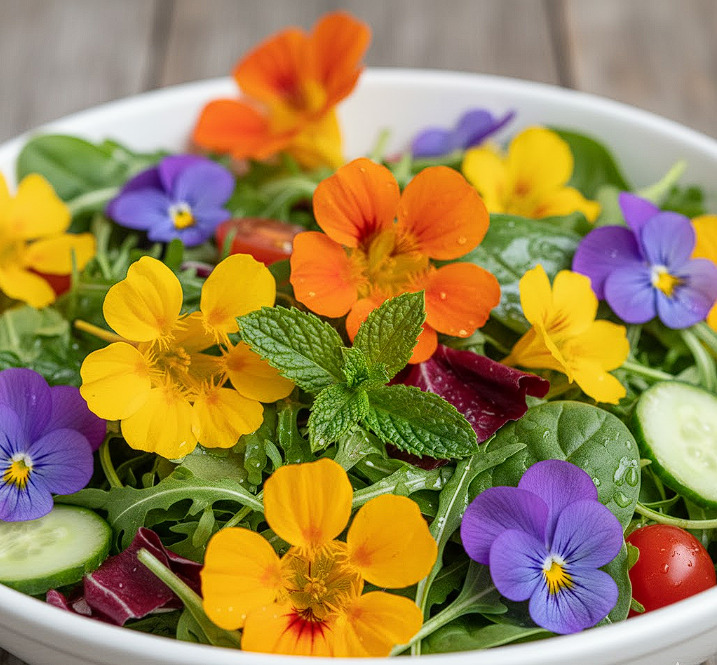
Edible flowers and herbs add a gourmet touch and unexpected flavor notes to simple dishes. Nasturtium leaves, for example, have a spicy, peppery flavor similar to arugula, while borage flowers offer a mild, cucumber-like essence. Using these fresh ingredients instantly elevates your comfort cooking. Elevates your comfort cooking.
The Home Apothecary: Therapeutic Value
Many common edibles are renowned for their health benefits, allowing you to create simple, natural remedies at home:
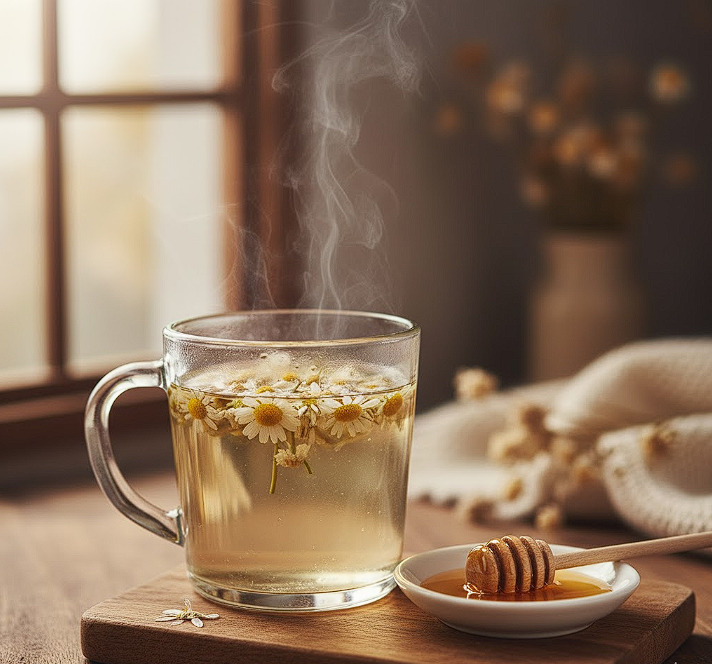
- Chamomile: Known for its calming properties, perfect for a bedtime tea.
- Lavender: Used for relaxation and in baking for a subtle floral flavor.
- Calendula: Often used in herbal preparations for skin soothing.
3. THE GOLDEN RULE: PLANTING SAFELY
Before consuming anything from your garden, absolute certainty regarding its safety is essential.
Always Know Your Source
Only consume flowers and herbs you have grown yourself from a reliable seed or nursery source. Never eat flowers purchased from florists, garden centers (unless specifically marked “edible”), or roadside plants, as they are often treated with harmful pesticides and chemicals.
Confirm the Variety
Ensure you know the exact name of the plant. Some ornamental varieties are toxic, while their edible cousins are safe (e.g., Sweet Peas are toxic, but Garden Peas are safe).
Check for Spray Drift
If you are growing in containers near a fence or wall, ensure that you or your neighbors are not using chemical sprays nearby that could drift onto your edible plants. Toxicology of garden plants.
4. TOP EDIBLE FLOWERS FOR BEGINNERS
These varieties are easy to grow, beautiful to look at, and safe to consume, making them perfect for your cozy garden space.
Nasturtiums (Tropaeolum majus)
- Aesthetic: Vibrant orange, red, and yellow trumpet-shaped flowers.
- Flavor: Peppery and spicy, similar to watercress.
- Uses: The leaves and flowers are excellent raw in salads or blended into a peppery pesto.
Pansies & Violas
- Aesthetic: Delicate, velvety petals in an array of colors, perfect for small arrangements.
- Flavor: Slightly sweet and mild.
- Uses: Ideal for crystallizing with sugar (a beautiful decoration for cakes) or freezing in ice cubes for a beautiful summer drink presentation.
Borage (Borago officinalis)
- Aesthetic: Striking, star-shaped true blue flowers that attract bees.
- Flavor: Mild, with a refreshing hint of cucumber.
- Uses: Perfect for floating in cocktails (like a Pimm’s Cup), chilled drinks, or scattered over a yogurt parfait.
5. HERBS FOR EVERY HOME APOTHECARY
These culinary staples offer high returns for minimal effort and are essential for wellness and flavor in the Cozy Crafted kitchen.
Lavender (Lavandula angustifolia)
- Aesthetic: Elegant purple spikes, highly fragrant.
- Uses: Use the buds (sparingly) in baking (scones, cookies) or steep in warm milk for a calming evening drink. Tip: Only use the culinary variety, which is less oily.
Chamomile (Matricaria recutita)
- Aesthetic: Small, daisy-like flowers.
- Uses: Pick the flowers and dry them completely to make a soothing, stress-relieving tea. It grows well in containers or garden beds. Stress-relieving tea!!
Rosemary (Salvia rosmarinus)
- Aesthetic: Woody, evergreen shrub structure, highly textural.
- Uses: Ideal for savory cooking (roasts, breads) and for creating natural, fragrant air fresheners by simmering sprigs in water.
6. CULTIVATION AND HARVESTING TIPS
Whether you are growing in small containers or large beds, a few simple rules ensure a continuous, healthy supply of edible flowers and herbs.
Planting Conditions
Most of these plants prefer full sun (6 hours or more) and well-drained soil. They tend to have lower nutrient needs than heavy feeding vegetables.
Watering Rule
Water at the base of the plant, avoiding the leaves, which helps prevent fungal diseases. Ensure your containers, especially for herbs like Rosemary and Thyme, dry out slightly between waterings.
The Harvest Mindset
Harvesting frequently encourages more production.
- Flowers: Pick them just as they fully open in the morning after the dew has dried.
- Herbs: Snip the leaves from the top, not the bottom, to encourage bushier, denser growth (this is especially important for Basil), Encourage more production.
7. CONCLUSION: CULTIVATE YOUR INNER APOTHECARY
Growing edible flowers and herbs is a beautiful, accessible way to elevate both your garden’s aesthetic and your daily wellness rituals. By choosing safe varieties like Pansies, Nasturtium, and Chamomile, you bring a unique, organic luxury to your kitchen.
Start by planting just one or two herbs you love to use in tea or garnish. This simple act of connecting with nature and flavor is the heart of the cozy home.
Which therapeutic herb—calming Chamomile or fragrant Lavender—will be the first addition to your home apothecary? Share your choice below!







Uma resposta