
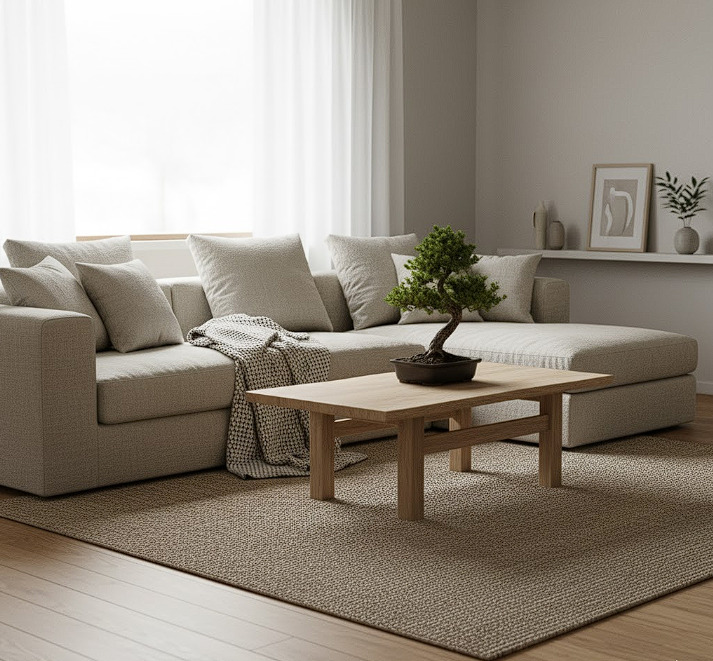
The pursuit of a calm, intentional, and clutter-free life has led to the rise of one of the most compelling and enduring design movements of the decade: Japandi. This aesthetic is not merely a style; it’s a philosophy, gracefully blending the rustic comfort of Scandinavian Hygge (simplicity, warmth, and coziness) with the elegant, intentional minimalism of Japanese Wabi-Sabi (finding beauty in imperfection).
For the Cozy Crafted reader, Japandi represents the ultimate synthesis: a home that is both strikingly clean and profoundly comfortable. It strips away the unnecessary without sacrificing soul.
This guide will introduce you to the core principles of the Japandi Home Decor Trend, showing you exactly how to achieve this harmonious balance using a curated color palette, specific furniture silhouettes, and a mindful approach to materials.
2. CORE PRINCIPLES: WABI-SABI MEETS HYGGE
Understanding the cultural roots of Japandi is key to executing the design correctly. It’s less about shopping and more about a mindset.
Wabi-Sabi: The Beauty of Imperfection
From the Japanese aesthetic, we take the appreciation of authenticity and age. This means embracing:
- Asymmetry: Furniture pieces that are not perfectly matched.
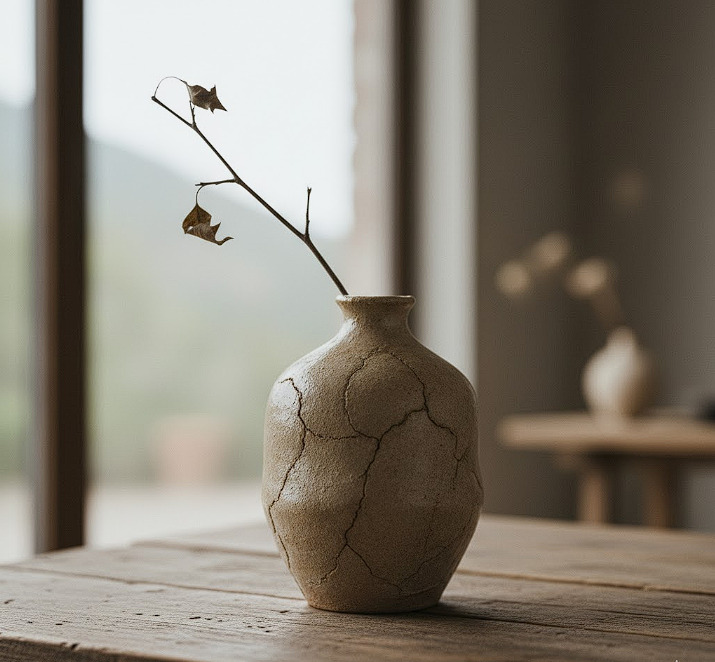
- Natural Texture: Hand-thrown pottery, woven baskets, and raw wood.
- Imperfection: Visible wood grain, subtle wear on leather, and natural fading.
Hygge: Cozy Comfort and Simplicity
From the Scandinavian concept, we borrow the focus on coziness and light functionality. This includes:
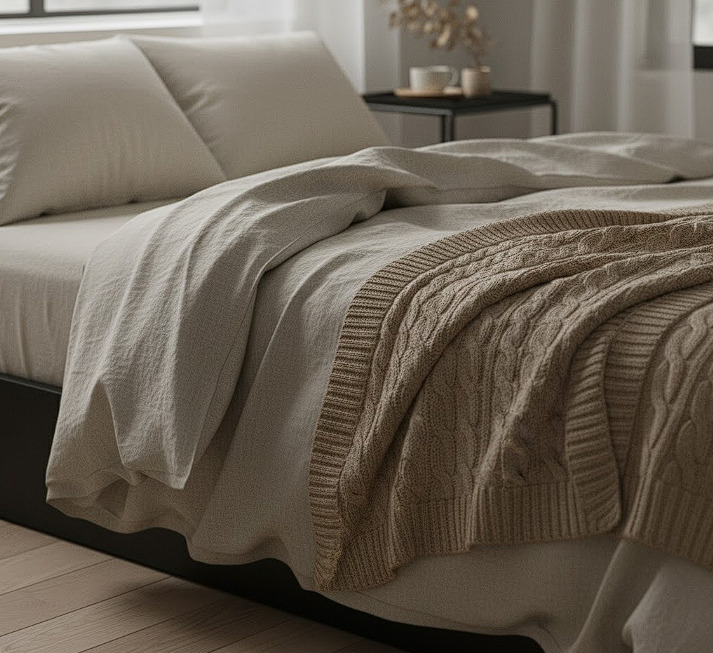
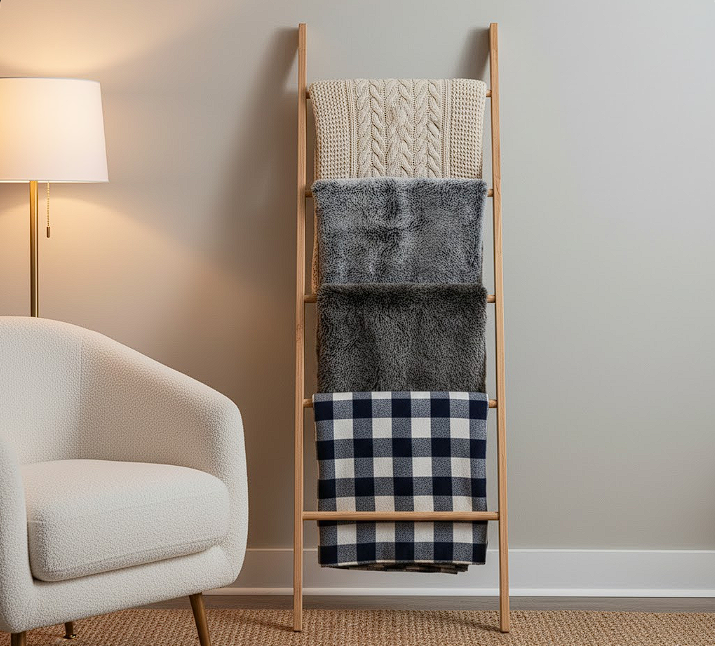
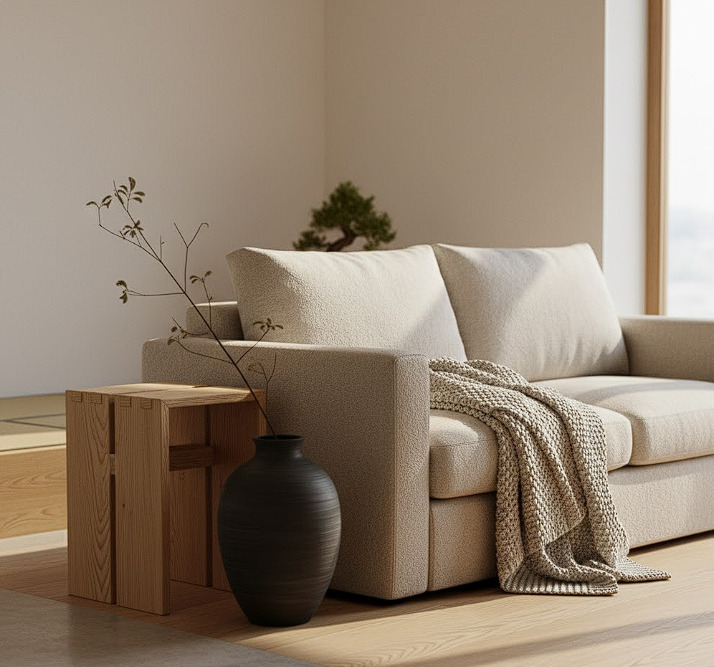
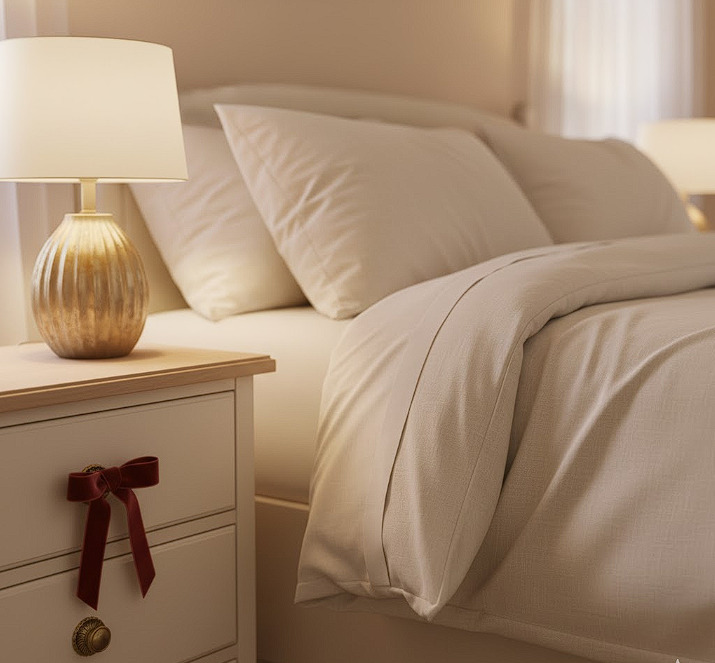
- Warm Materials: Soft wool throws, knit blankets, and sheepskin rugs.
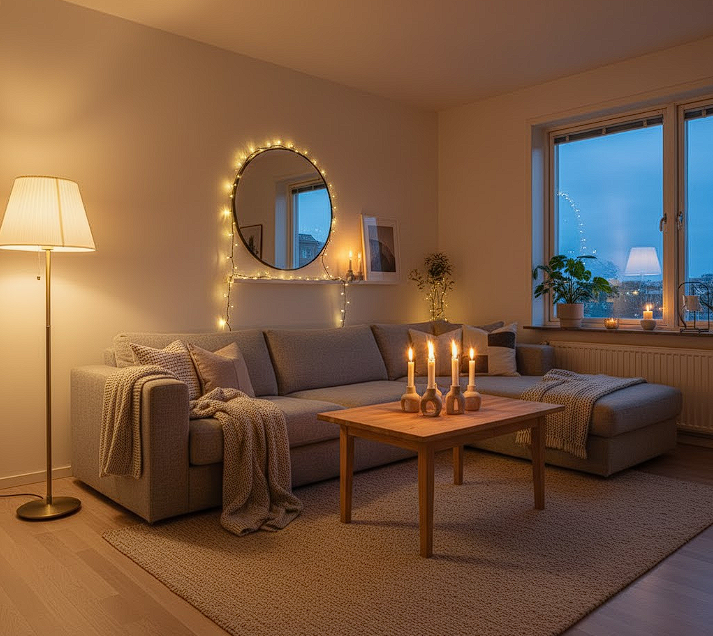
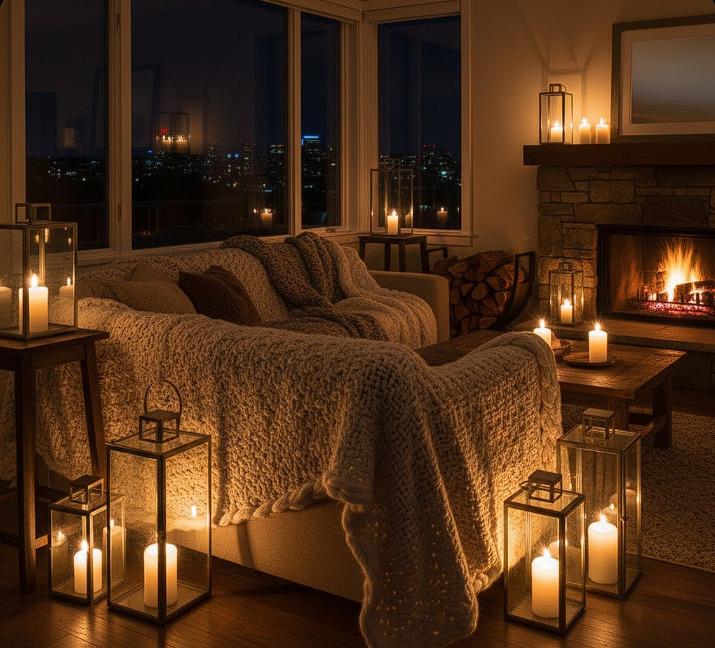
- Abundant Light: Maximizing natural light and incorporating simple, ambient light fixtures. Ambient light fixtures
3. THE JAPANDI PALETTE: NEUTRALS AND NATURAL CONTRASTS
The color scheme is the foundation of Japandi, built on calm and tranquility. It is primarily neutral, but uses intentional contrast.
The Dominant Neutrals
Base colors should be muted, light, and airy, allowing the architectural lines and textures to stand out:
- Scandinavian Light: Pale greys, ivory, and matte whites for walls and large textiles.
- Japanese Depth: Adding contrasting pops of deep charcoal, black, or dark navy for accents and framing.
Nature-Inspired Accents
Introduce color subtly through natural, earthy tones derived from the landscape:
- Earthy Greens: Sage, moss, and deep olive (often through plants). Greens, often through plants.
- Muted Clay Tones: Terracotta, sand, and taupe (often through pottery and linen).
4. FURNITURE AND SILHOUETTES
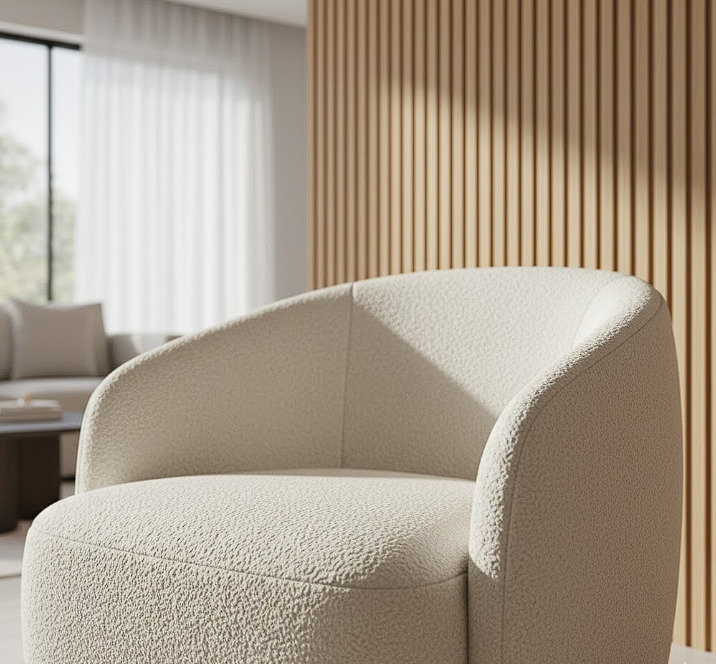
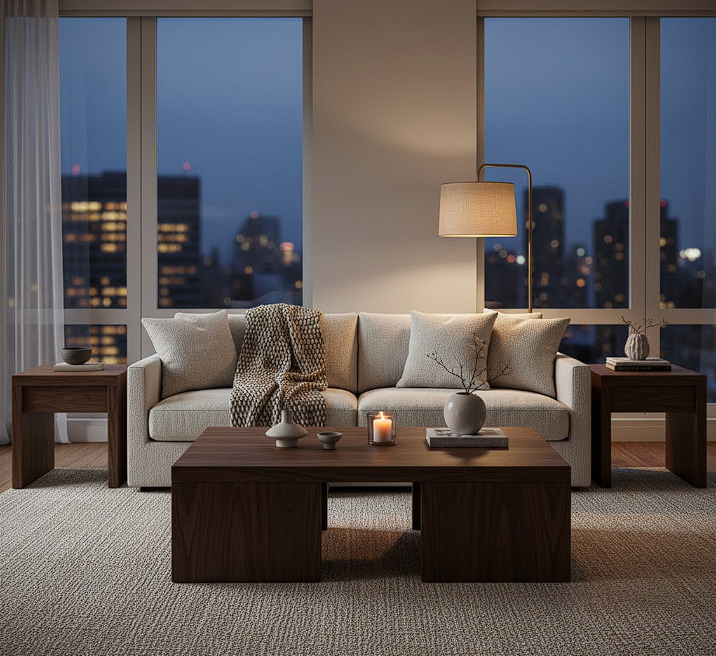
Japandi furniture is highly recognizable: low-slung, functional, and clean-lined. The focus is on quality craftsmanship over quantity.
Low-Slung Design
Many pieces sit low to the ground. This reflects the Japanese tradition of floor seating and visually expands the perception of space, creating a sense of calm groundedness. Look for:
- Low sofas and beds.
- Small, simple wooden benches or low console tables.
Minimalist Form
Furniture should be sculptural, but simple. Avoid overly ornate details, hardware, or excessive carving.
- Materials: Prioritize natural, light woods (like ash or birch) for the Scandinavian half, or darker, richer woods (like walnut or oak) for the Japanese contrast.
- Functionality: Every piece must serve a clear purpose (e.g., a simple wooden storage unit instead of an elaborate display cabinet). Renowned design based on Japandi rules.
5. TEXTILES AND DECORATION
Here is where the Cozy element of Japandi truly emerges, softening the clean lines of the architecture.
Natural and Layered Textiles
Choose textiles with raw, authentic texture that feel good to the touch:
- Materials: Linen, raw cotton, wool, jute, and hemp.
- Technique: Think simple weaves, subtle stripes, and hand-stitched detailing. Avoid loud patterns or artificial fabrics.
Intentional Decor
Every object in a Japandi space is deliberate, avoiding “filler” items.
- Art: Choose abstract art, simple line drawings, or minimalist nature photography.
- Vessels: Use ceramic vases, stone bowls, or hand-woven baskets (perfect for the decluttering aspect).
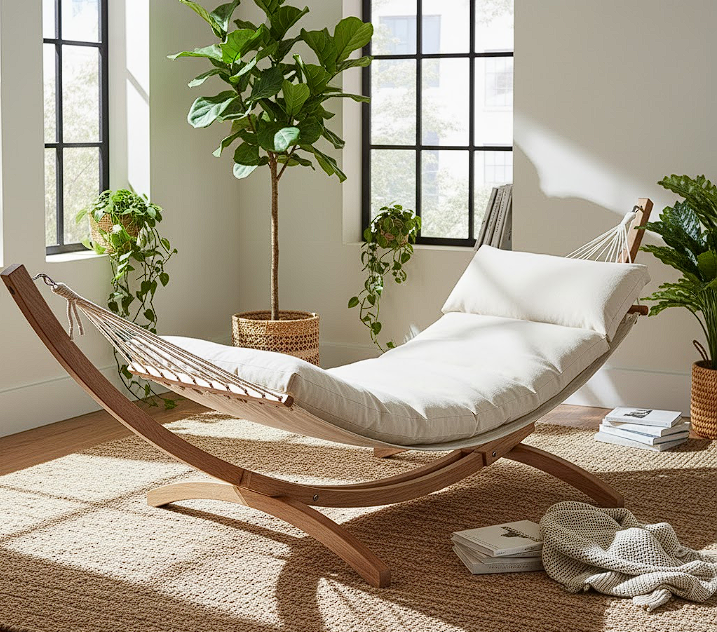
- Foliage: Simple greenery is preferred over complex floral arrangements. A single branch or elegant houseplant is often sufficient.
6. APPLICATION: HOW TO IMPLEMENT JAPANDI TODAY
You don’t need a full renovation to incorporate this trend. Start with these simple swaps:
Lighting Swap
Replace heavy lampshades with fixtures made of natural materials like paper (rice paper), woven rattan, or simple frosted glass. This instantly brightens the space and introduces organic texture.
Declutter and Curate
Embrace radical decluttering. Remove anything that does not serve a function or bring you joy (Japanese KonMari). Once organized, ensure that only a few highly-curated pieces remain on display. Embrace radical decluttering.
The Empty Space Philosophy
Remember the Japanese concept of Ma (the necessary empty space). Resist the urge to fill every wall, shelf, or corner. Empty space is restful space.
CONCLUSION: DESIGN FOR A MINDFUL LIFE
The Japandi Home Decor Trend is much more than a temporary style; it’s a guide to creating a calmer, more mindful life. By fusing the warmth of Scandinavian design with the intentional elegance of Japanese aesthetics, you create a home that supports both your comfort and your well-being.
Invest in quality over quantity, prioritize natural materials, and embrace simplicity to find the inner peace this beautiful trend promises.
Which room in your home will you transform with the peace and simplicity of the Japandi style first? Share your starting plan below!





Uma resposta