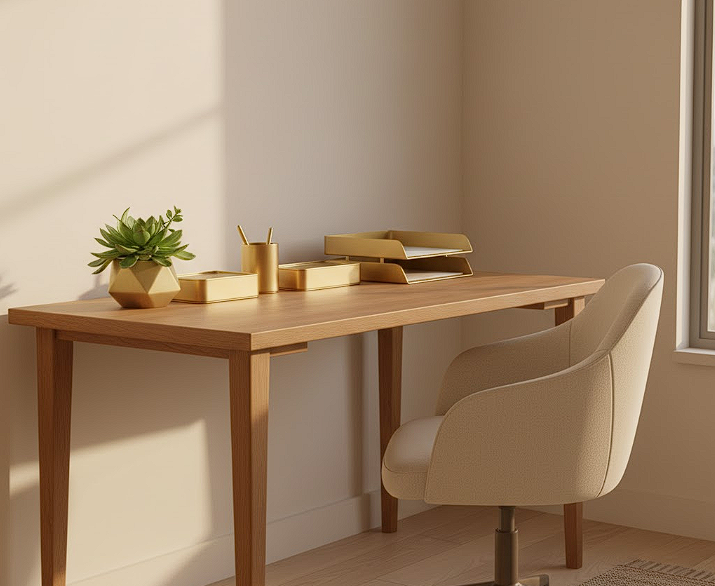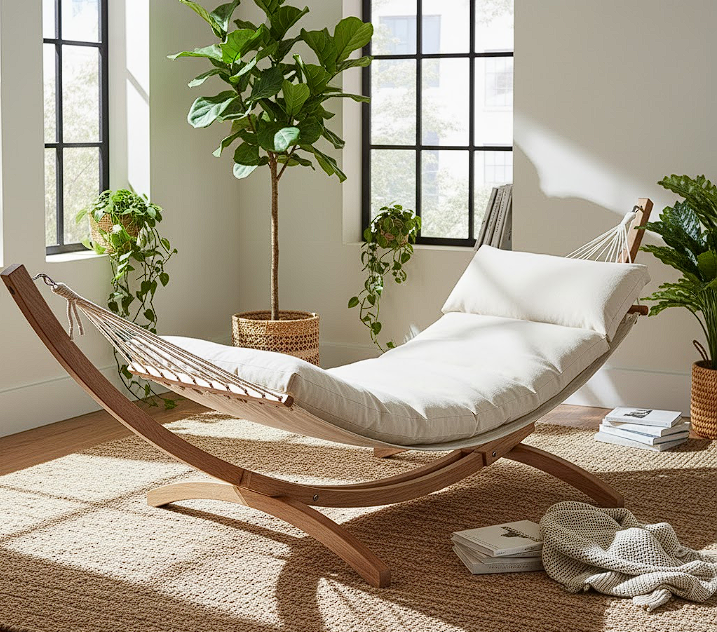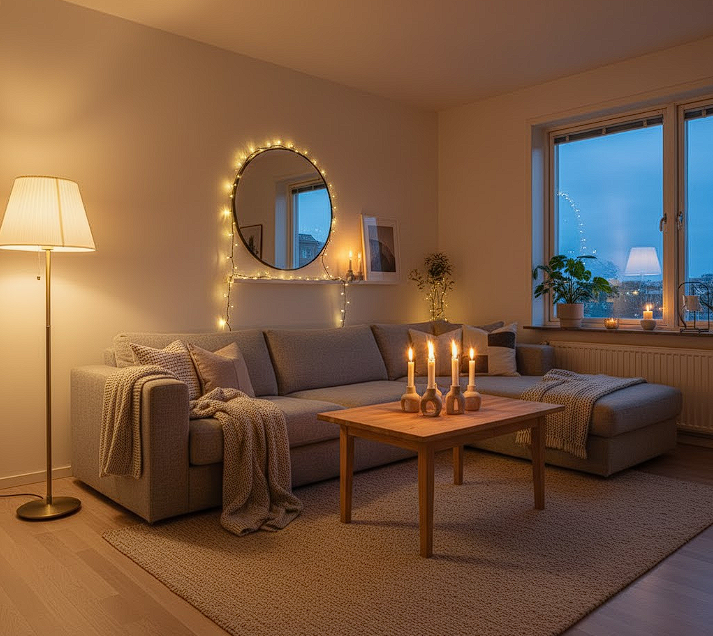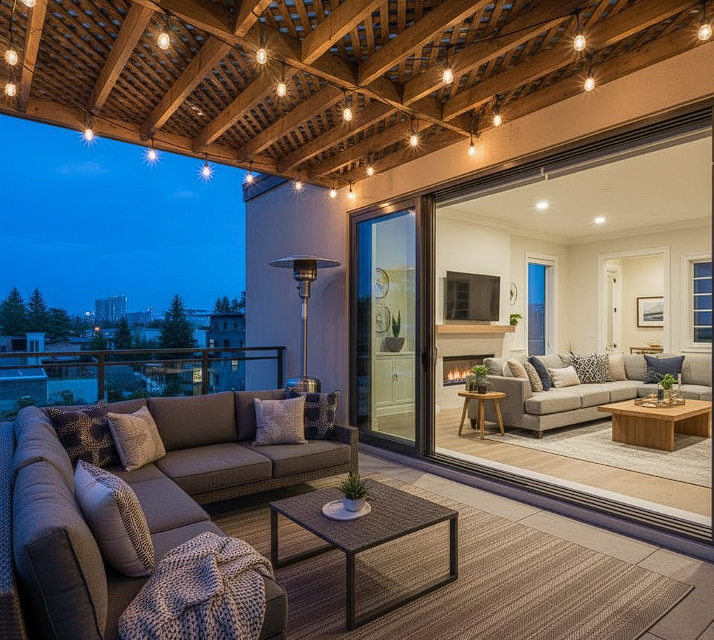
In a world increasingly dominated by noise and visual clutter, the desire for serenity and intentionality in our homes has led to the undeniable rise of Japandi. More than a trend, Japandi is a design philosophy—the sophisticated convergence of Japanese Wabi-Sabi (finding beauty in imperfection and nature) and Scandinavian Hygge (the art of coziness and well-being).
For the Cozy Crafted home, this fusion is perfect. It strips away the excess ornamentation of traditional decor while retaining the warmth and comfort that Scandinavian design champions. Japandi achieves a balanced minimalism that feels calm, mature, and deeply rooted in natural tranquility, making it the ultimate aesthetic for a restful sanctuary.
This comprehensive guide offers essential Japandi Interior Design Tips, detailing how to successfully merge these two powerful cultures. We will explore the precise color palettes, essential materials, furniture selection rules, and layering techniques required to create a home that is both effortlessly chic and profoundly cozy, proving that less truly can be more comfortable.
2. CORE PRINCIPLES: THE JAPANDI PHILOSOPHY
To design a Japandi space, one must first understand the fundamental cultural concepts driving the aesthetic. This ensures the design is authentic and lasting, not just surface-level styling.
Wabi-Sabi (Japanese): Embracing Imperfection
Wabi-Sabi values natural, unpolished elements. It teaches us to appreciate objects with history and imperfection:
- Handmade Over Mass-Produced: A slightly asymmetrical ceramic vase, a throw blanket with an uneven knit, or wood with visible grain and knots.
- Functionality: Every item must serve a purpose and be deeply loved. If it doesn’t add value, it’s removed.
Hygge (Scandinavian): The Art of Coziness
Hygge ensures that the space is not sterile, counterbalancing the starkness of minimalism.
- Tactile Textures: Layering soft textiles—wool, sheepskin, linen, and chunky knits—is essential.
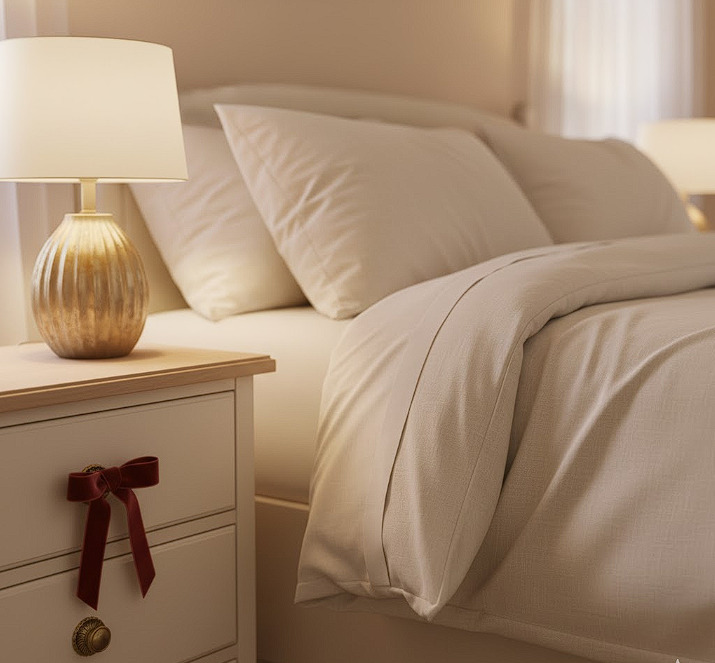
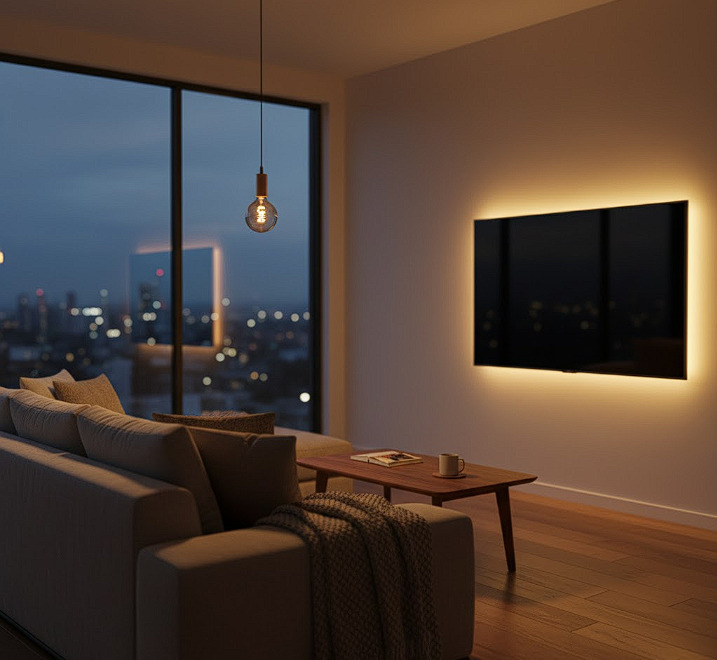
- Warm Lighting: Prioritizing soft, diffused, and low-level lighting sources over harsh overhead fixtures.
The Synergy: Functional Warmth
Japandi is where the Japanese focus on clean lines meets the Scandinavian focus on light wood and comfort. The result is a space that is clutter-free, yet inviting; minimalist, yet layered with rich textures.
3. THE JAPANDI COLOR PALETTE DECONSTRUCTED
The Japandi palette is intentionally muted, drawing inspiration from natural landscapes and avoiding bright, artificial tones.
The Neutral Canvas
The majority of the space should be covered in light, airy neutrals to maximize the feeling of openness and calm:
- Walls and Ceilings: Off-white, soft ivory, or light beige (avoiding cold, clinical white).
- Flooring: Light wood, polished concrete, or neutral-toned rugs.
Introducing Depth and Contrast
Unlike traditional Scandinavian design, Japandi uses dark colors to anchor the space and provide necessary contrast (the Japanese influence).
- Dark Accents: Use charcoal gray, deep black (like sumi ink), and deep forest green on small accessories, frames, or one feature wall.
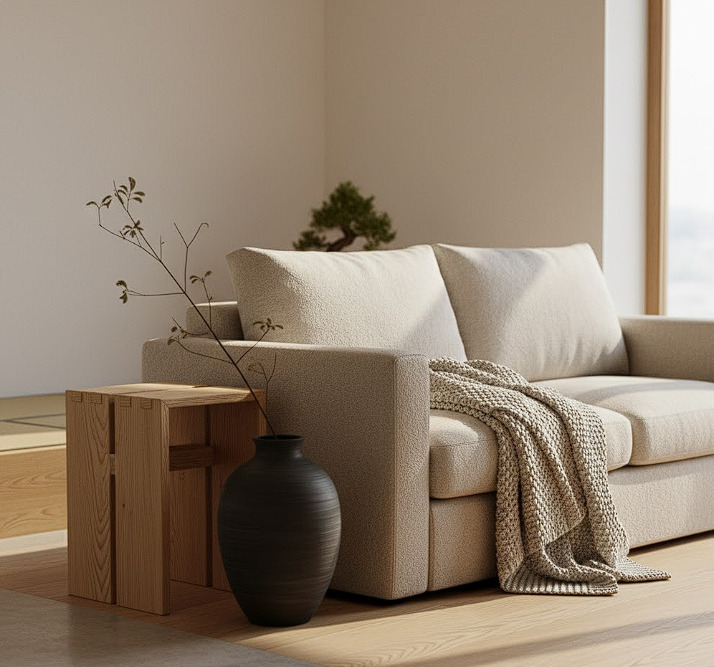
- The Black Anchor: A few dark items (e.g., a black floor lamp, a large, dark ceramic bowl) ground the room and emphasize the light, airy elements around them.
Muted Earth Tones
Inject subtle color through organic tones, derived from clay and natural textiles:
- Terracotta, pale dusty rose, warm taupe, and moss green. These colors should be used sparingly on cushions or pottery.
Soft, earthy color tones to make your home beautiful.
4. MATERIALS: THE ESSENCE OF JAPANDI TEXTURE
The materials chosen are where texture and nature meet. Everything should feel honest, durable, and tactile.
Natural Wood is Paramount
Wood is the backbone of the aesthetic, used in two contrasting forms:
- Light Wood: Scandinavian influence calls for pale, unfinished woods like light oak, birch, or ash for large furniture pieces and flooring.
- Dark Wood Contrast: Japanese influence requires deep tones like blackened ash, burnt cypress (shou sugi ban), or dark walnut for accent pieces (trays, picture frames, small benches). Dark walnut, Rich Depth & Timeless Comfort: Why Dark Wood Home Decor is Back and How to Use It Cozily.
Essential Textiles
Textiles must be natural, highly textural, and visible to honor the Hygge component:
- Softness: Chunky wool knit throws, undyed linen, and organic cotton.
- Rug Layers: Layering rugs is acceptable, provided the patterns are simple or non-existent, focusing instead on weave (e.g., a large jute rug topped with a smaller, softer sheepskin).
Raw and Sculptural Elements
Embrace materials that show their raw state:
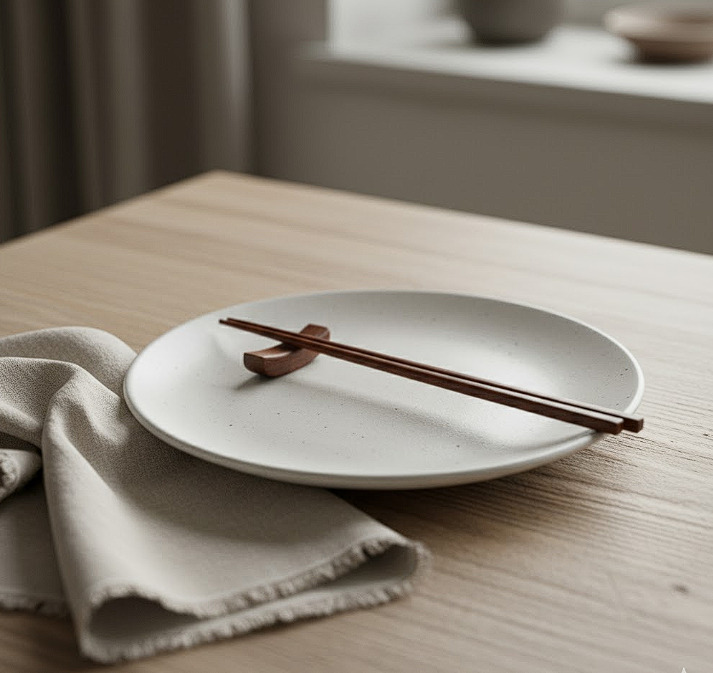
- Ceramics with visible throwing marks or uneven glaze.
- Stone (like slate or basalt) used for side tables or trays.
- Natural fibers like bamboo, rattan (used minimally, e.g., in a single pendant light), and wicker.
5. FURNITURE RULES: LOW-SLUNG AND FUNCTIONAL
Japandi furniture is characterized by its clean lines, quality craftsmanship, and a focus on keeping the visual plane low to the ground, honoring Japanese tradition.
The Low-Slung Principle
Japanese living historically involves sitting close to the floor. This translates into modern Japandi design:
- Low Sofas and Bed Frames: Choose sofas and beds that are low-profile with exposed wooden bases and thin legs.
- Minimal Tables: Coffee tables and benches should be low and long.
Simple and Sculptural Forms
Furniture pieces should be sculptural in their simplicity, making a statement purely through form and material, not through ornamentation.
- Storage: Opt for closed, built-in, or hidden storage (like a streamlined credenza) to maintain visual calm.
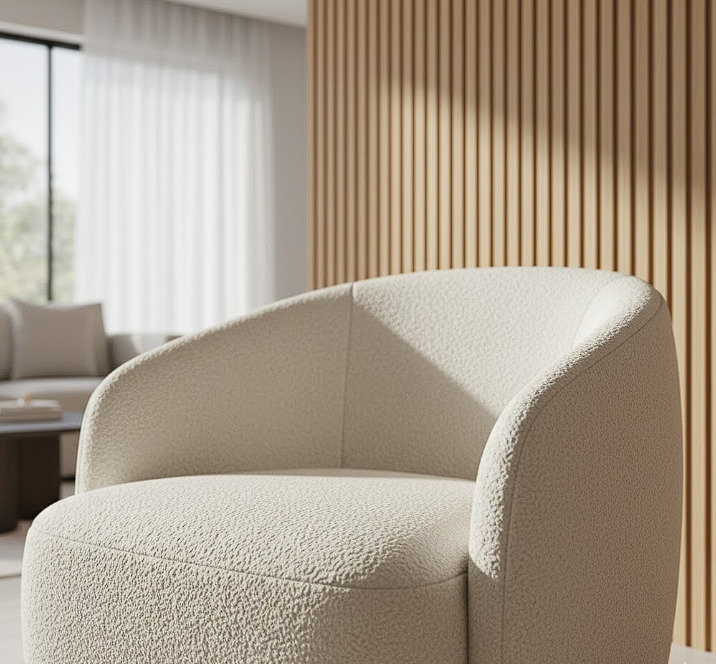
- Chairs: Look for wishbone or mid-century modern-inspired chairs with comfortable woven or upholstered seats.
6. LIGHTING PRINCIPLES: DIFFUSION AND WARMTH
Lighting in a Japandi home is about creating soft, diffused light, avoiding glare and harsh shadows.
Paper Lanterns and Fixtures
The most iconic Japandi lighting element is the paper lantern (Akari style). These diffuse light beautifully, creating a soft, shadow-free glow.
- Materials: Rice paper, linen, or pale woven bamboo shades.
- Position: Use pendants and floor lamps to cast warm light downward and horizontally, keeping the ceiling dark and creating height contrast.
Layered Ambient Light
Avoid strong overhead light. Instead, use several small, intentional light sources at different heights:
- Floor Lamps: Tall, simple wooden floor lamps.
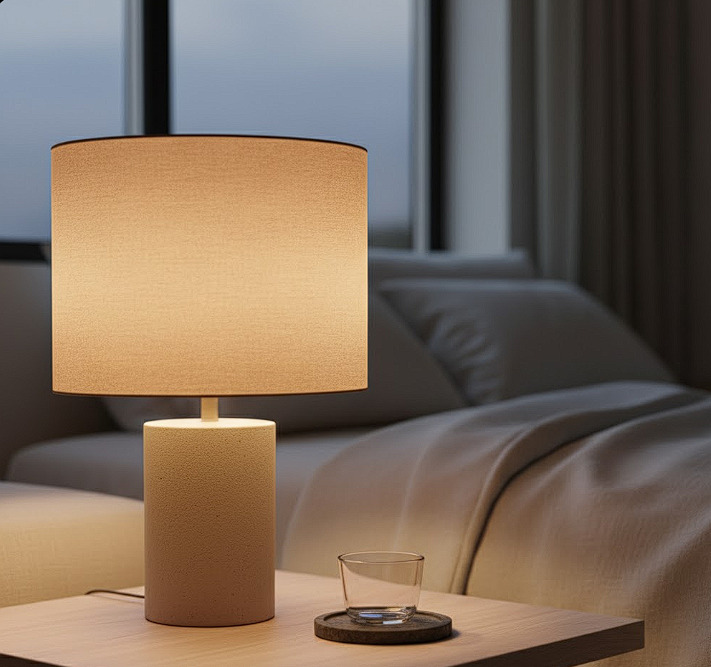
- Table Lamps: Small, low-profile table lamps with ceramic or simple glass bases.
- Color Temperature: All bulbs must be in the 2200K to 2700K range (warm white or amber), Warm light.
7. STYLING THE JAPANDI SANCTUARY
The final touch is the styling, which is minimal but highly intentional—the opposite of maximalism.
Minimalist Art and Greenery
- Art: Keep wall art extremely sparse. Choose simple line drawings, abstract minimalism, or landscape photography in soft colors. Use thin, natural wood frames.
- Greenery: Use large, architectural plants in simple, unglazed terracotta or dark ceramic pots. Favorites include the Fiddle Leaf Fig, Sansevieria, or simple Bonsai. Crucially, do not use many small plants.
The Rule of Three
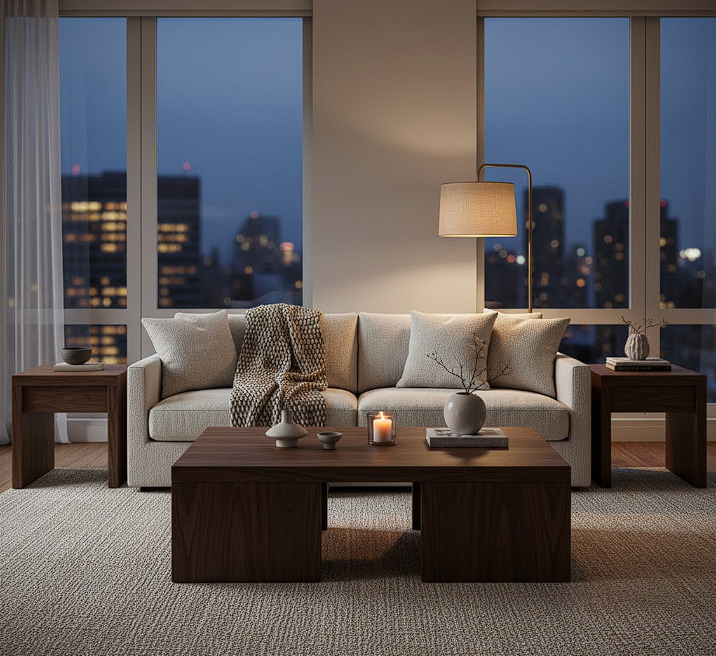
When creating vignettes on surfaces, use the rule of three: Group objects in odd numbers (three or five) of varying heights and textures. For example: A dark wooden tray, a simple ceramic cup, and a small stack of books.
Embracing Negative Space
A key Wabi-Sabi principle: The space around an object is as important as the object itself. Leave large surfaces (shelves, floors, tables) empty. The emptiness is calming and directs the eye to the few curated, beautiful pieces.
How to apply the basic principles of minimalism to high-end interior design.
CONCLUSION: LASTING PEACE AND COZINESS
The Japandi Interior Design Tips offer a blueprint for creating a home that is truly a sanctuary. By embracing the functionality and clean lines of Japanese design and softening them with the comforting textiles and natural warmth of Scandinavian Hygge, you achieve a rare balance.
This style is sustainable, focused on quality and longevity, and effortlessly cozy. It’s an aesthetic that supports a calm mind and a simplified life, making it the perfect evolution for the Cozy Crafted home. Start by clearing the clutter and investing in one beautiful, handcrafted piece of low-slung furniture to anchor your newfound serenity.
What is the first piece of clutter you will remove to start your Japandi transformation: the excess pillow, or the unnecessary tabletop decor? Share your first step below!