In a world that constantly demands more of your time and attention, the simple act of putting pen to paper might seem like a luxury. Yet, Journaling for Stress Relief is one of the most powerful, scientifically-backed tools available for managing anxiety, organizing racing thoughts, and cultivating a profound sense of inner calm.
This practice is more than just keeping a diary; it’s an intentional act of Mindfulness that shifts your nervous system from “fight or flight” (stress mode) to “rest and digest” (calm mode). By externalizing the mental chaos onto a physical page, you transform abstract worries into visible, manageable thoughts.
This Cozy Crafted blueprint will guide you through the “why” and “how” of this essential wellness practice. We’ll introduce 4 highly effective journaling techniques and show you how to build a consistent habit, transforming your mind into a calmer, more organized space.
🧠 WHY JOURNALING IS A WELLNESS GAME CHANGER
The connection between writing and mental health is deeply rooted in cognitive psychology. By creating a narrative of your emotional state, you activate restorative processes in the brain.
- Reduces Rumination: Journaling forces you to organize chaotic thoughts into linear sentences, which interrupts the cycle of replaying negative events over and over in your mind.
- Identifies Triggers: Consistent writing helps you spot patterns, allowing you to recognize what truly causes your stress or anxiety, enabling proactive management.
- Physical Health Benefits: By activating the parasympathetic nervous system, journaling helps regulate breathing, blood pressure, and heart rate. Research shows it can even strengthen the immune system and decrease the experience of pain.
- Emotional Distance (Catharsis): Once overwhelming emotions are on the page, they are external to you. You gain the objective space needed to reflect on problems from a less-threatening perspective.
I. 4 SCIENCE-BACKED JOURNALING TECHNIQUES
Different mental states require different writing tools. Here are the most effective techniques for targeted stress relief:
1. The Stream of Consciousness (“Worry Dump”)
This is the simplest form, designed to clear the mind of immediate clutter.
- How It Works: Write non-stop for 5 to 10 minutes. Do not worry about grammar, spelling, or coherence. Don’t lift the pen from the paper. The goal is to uncensor your thoughts and release all mental “junk” onto the page.
- Best For: Acute anxiety, feeling overwhelmed, or during a stressful moment a mental Minimalist Declutter Checklist.
- Prompt Idea: What is the heaviest thing on my mind right now? If I could vent without being judged, what would I say?
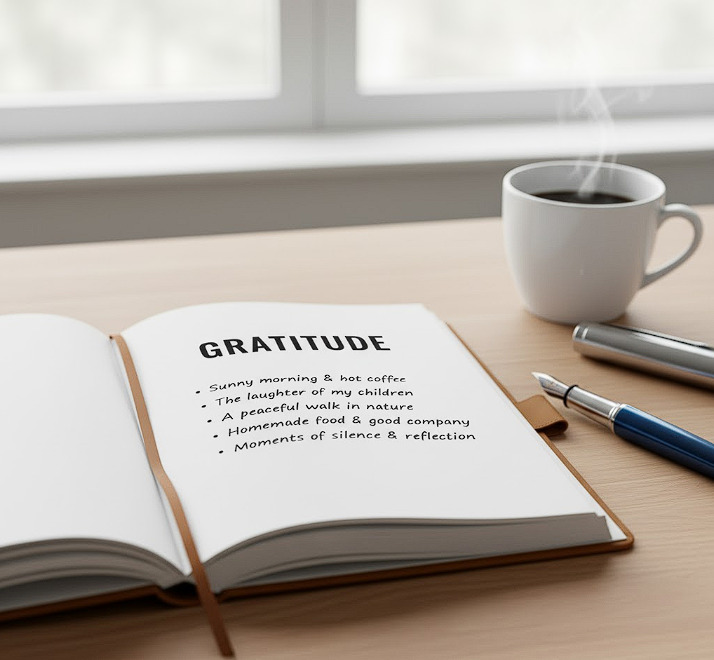
2. The Gratitude Journal (The Positive Refocus)
Gratitude shifts your attention away from deficiencies and toward abundance, providing a crucial mental buffer against stress.
- How It Works: List 3 to 5 things you are truly grateful for each day—no matter how small. This could be simple (e.g., “The warm blanket on my reading chair,” or “I enjoyed the One-Pot Chicken Noodle Soup for dinner”).
- Best For: Daily consistency, combating negative self-talk, and cultivating long-term life satisfaction.
- Prompt Idea: What is one small moment of joy I experienced today? What am I looking forward to tomorrow?
3. Expressive and Therapeutic Writing
This technique focuses on deep emotional processing of major life events or deep-seated fears.
- How It Works: Write about a traumatic or confusing event, focusing deeply on your feelings about it and how it impacts your life today. This process helps organize the event into a meaningful narrative, rather than a confusing emotional burst. Commit to 15-20 minutes over 3 to 4 scheduled sessions.
- Best For: Processing grief, major life changes, or chronic anxiety triggers.
- Prompt Idea: How has my relationship with [situation/person] changed since this event, and what is the new narrative I choose to create?
4. Mindfulness and Sensory Journaling
This merges the practice of journaling with sensory awareness, grounding you firmly in the present moment.
- How It Works: Write down what you can currently perceive with your senses. Note the colors, the sounds (birds, rain, the gentle hum of a fan), the textures (a soft throw, wood grain), and the scents (a candle, your favorite tea). This shifts focus from your internal anxiety to your external, safe environment.
- Best For: Individuals with anxiety, emotional regulation, and making your space feel like a true sanctuary, perhaps inspired by Biophilic Design for Calm.
- Prompt Idea: List 3 things I see, 3 things I hear, and 3 things I feel in my body right now.

II. BUILDING YOUR COZY JOURNALING RITUAL
Consistency is the key to reaping the long-term benefits of journaling. Make it an enjoyable ritual, not a rigid chore.
5. Create Your “Hyggekrog”
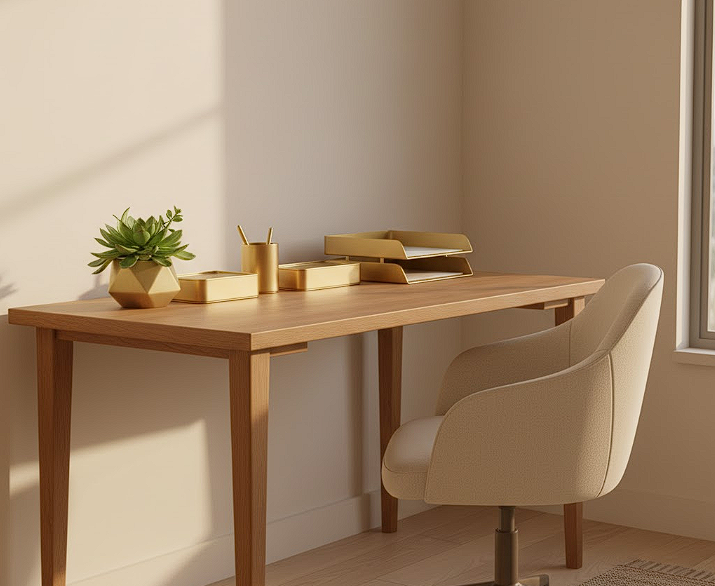
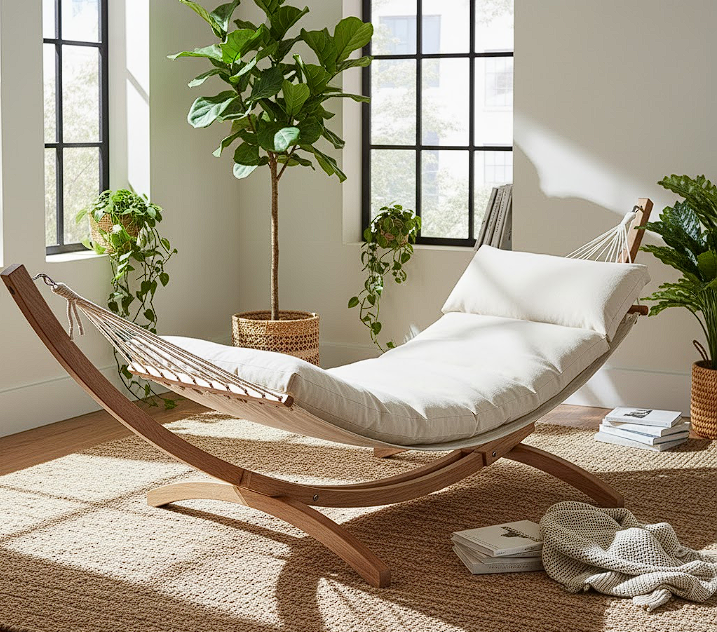
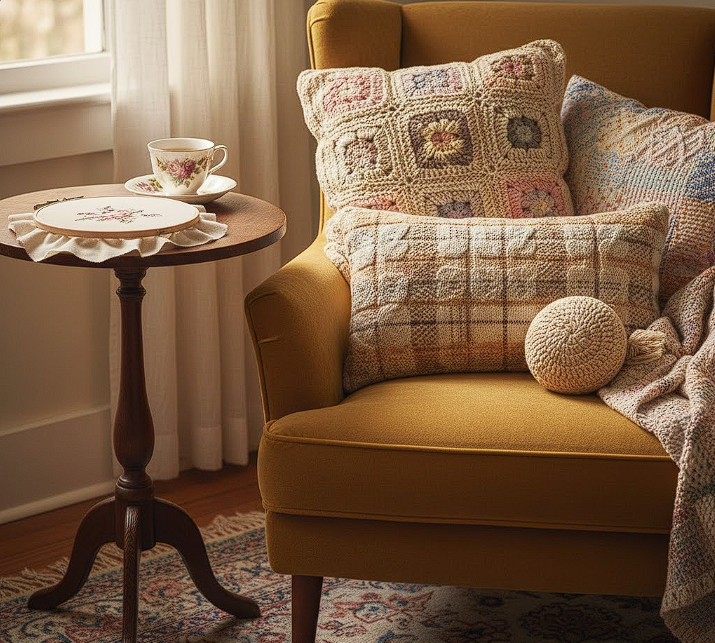
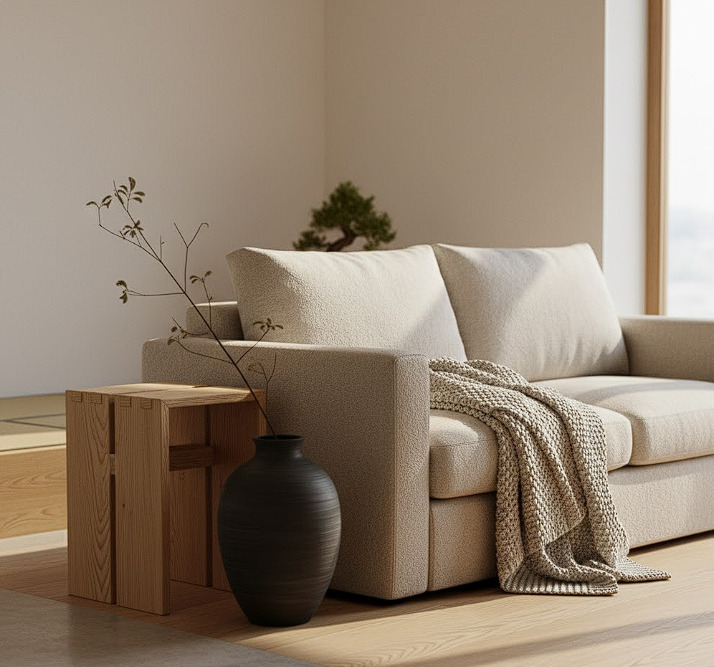
- The Sanctuary: Choose a specific, quiet corner of your home—your Hyggekrog—that is dedicated to reflection. This could be a favorite armchair, a seat by a window, or even a cushion on the floor.
- Supplies Ready: Keep your journal and your favorite pen always accessible there. Add a few sensory comforts: a hot drink (maybe a slice of Healthy Apple Crumble Recipe for breakfast), a cozy blanket, and soft, warm lighting.
6. Embrace Imperfection and Freedom
- No Rules: Your journal is for you alone. There are no grading, no grammar rules, and no need to worry about what others might think. If drawing or doodling helps you express an emotion that words can’t capture, then doodle.
- Acceptance: When difficult emotions surface, practice Mindfulness Journaling: accept the thought or feeling with kindness, rather than judging or analyzing it. The acceptance itself is the stress release.
Academic Review: Journaling and Health Outcomes
Journaling’s positive effects are not anecdotal; they are backed by decades of research. Expressive writing has been shown to be effective in reducing symptoms of anxiety and depression, and systematic reviews confirm its efficacy in improving mental health management. For a detailed meta-analysis and systematic review on the efficacy of journaling in the management of mental illness, consult the full academic findings here.
Conclusion: Your Simple Path to Inner Calm
Committing to Journaling for Stress Relief is the kind of simple, consistent self-care that yields profound results. It’s about creating a non-negotiable space in your day where you can be completely honest, allowing chaos to be managed on the page, rather than in your mind.
Embrace your chosen journaling technique, build your cozy ritual, and reclaim your peace. Your mind is ready for this rest.
What time of day will you dedicate to your new journaling habit: morning or evening? Share your plan in the comments!
Love actionable wellness tips? Save this Journaling Blueprint on Pinterest and follow Cozy Crafted for daily inspiration on living a calmer, cozier life!