In an era of conscious consumption, the way we decorate our homes has evolved from a matter of fast trends to a question of lasting values. The key insight for Cozy Crafted is simple: sustainability doesn’t mean sacrificing luxury or style. In fact, this year’s Sustainable Home Decor Trends prove that the most beautiful, character-filled homes are those that prioritize pieces with a story.
This season’s most sophisticated look is built on blending the old with the new. We are celebrating the “Secondhand Soul”—finding well-crafted vintage furniture, giving it a second life through easy upcycling techniques, and thoughtfully choosing renewable materials. This approach not only saves money and reduces waste but also creates a uniquely layered and highly personal aesthetic that mass-produced items can never replicate.
This guide outlines the five essential trends for building a stylish, high-quality, and deeply sustainable home.
🌳 TREND 1: THE RESURGENCE OF ‘OLD BROWN FURNITURE’
The most impactful sustainable shift is the embrace of solid, darker wood furniture—often available at excellent prices secondhand.
1. The Character of Brown
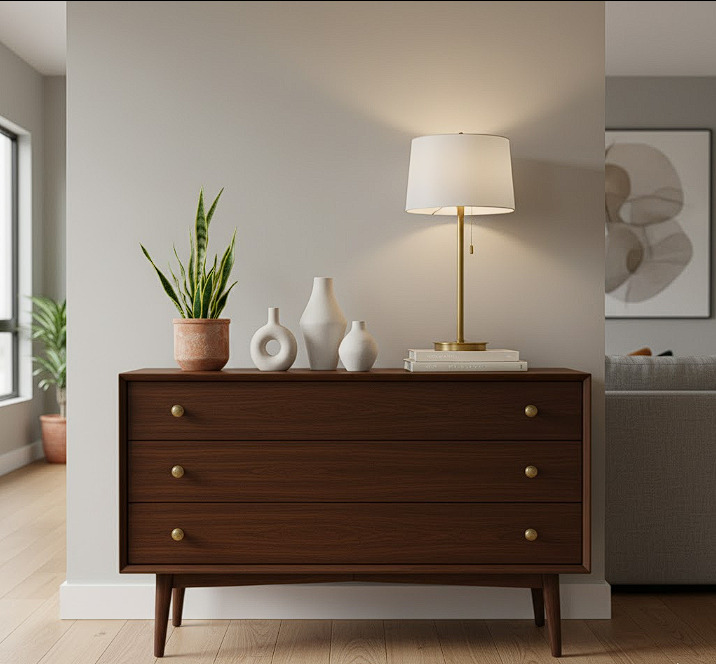
For years, many avoided dark, heavy wood furniture. Now, designers are actively seeking out these “brown” pieces for their instant warmth, history, and unparalleled quality.
- Timeless Silhouettes: Look for pieces from the Mid-1800s to the Mid-1900s, especially those with clean lines, like Shaker or early Scandinavian styles. Their simple structure blends effortlessly with modern sofas and minimalist art.
- A Sense of History: Dark wood credenzas, chests, and dressers immediately ground a room and add a layer of collected-over-time charm, making a new home feel instantly established and lived-in.
- Strategic Placement: Use a vintage dresser as an entryway console or a dining room buffet. It instantly acts as a focal point, contrasting beautifully with lighter, neutral walls and contemporary lighting.
2. Patina is Preferred
Instead of seeking perfect, factory-finished pieces, the sustainable trend celebrates the natural wear and tear.
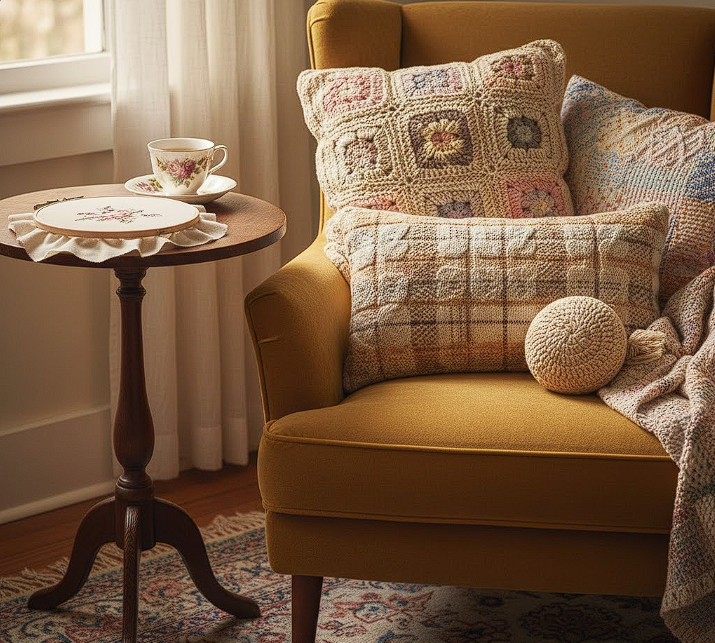
- Embrace Imperfection: Small scratches, sun-fading, and natural wear (patina) tell the object’s story. This aligns with the Japanese concept of Wabi-Sabi (the beauty of imperfection).
- The Power of Contrast: Pair a heavily patinaed vintage trunk with a soft, brand-new bouclé throw or sleek, modern metal artwork. The contrast elevates both the old and the new, preventing the room from feeling like a museum or a “rummage sale.”
🔨 TREND 2: UPGRADED UPCYCLING TECHNIQUES
Upcycling is no longer just about chalk paint and distressed finishes. Today’s upcycling is sophisticated, focusing on structural upgrades and modern hardware.
3. High-Impact Hardware Swaps
The quickest way to make a thrifted piece look high-end is by replacing the old hardware.
- Sleek Metallics: Swap old knobs for modern pulls in brushed brass, matte black, or unpolished copper.
- Shape Over Ornate: Choose clean, geometric shapes (simple bars or sleek circles). This update immediately modernizes a classic piece of furniture.
4. Fluting and Texture Application
One of the most popular and impressive DIY upcycling techniques involves adding architectural texture.
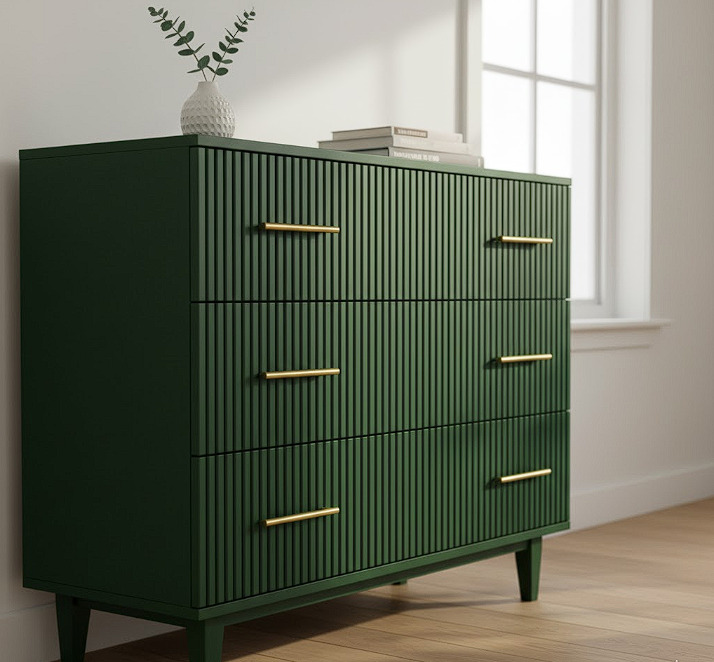
- Creating Fluting: Use thin wood dowels or half-round molding cut to size and attached to flat surfaces (like drawer fronts or cabinet doors) to create a trendy, vertical fluting effect.
- Modern Finishes: Finish the piece with two thin, even coats of high-quality paint in a sophisticated color—think deep navy, forest green, or a moody charcoal—for a designer-quality finish.
🌱 TREND 3: INVESTING IN RENEWABLE MATERIALS
Beyond buying secondhand, true sustainability means choosing materials with a fast regeneration cycle and low ecological footprint.
5. The Bamboo and Cork Comeback
These natural, fast-growing resources are back, now utilized in sleek, modern designs.
- Bamboo’s Durability: Bamboo is incredibly strong, lightweight, and moisture-resistant. It’s perfect for furniture that needs to endure high traffic or even for outdoor spaces.
- Cork Flooring and Accents: Cork is an ideal eco-friendly flooring alternative because its harvesting doesn’t harm the tree. Its unique texture adds warmth and natural insulation to walls, floors, and accessories.
6. Natural Fibers and Textures
Layering rugs and textiles made from untreated, natural fibers enhances both the “cozy” and the “crafted” aesthetic.
- Jute and Seagrass: Use woven jute or seagrass rugs as a foundational layer. Their rugged, natural texture grounds the room and adds an organic element.
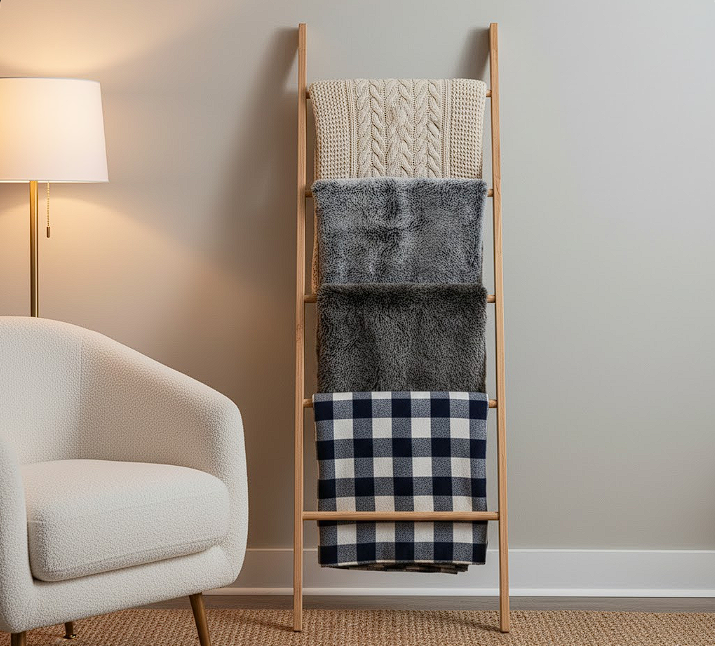
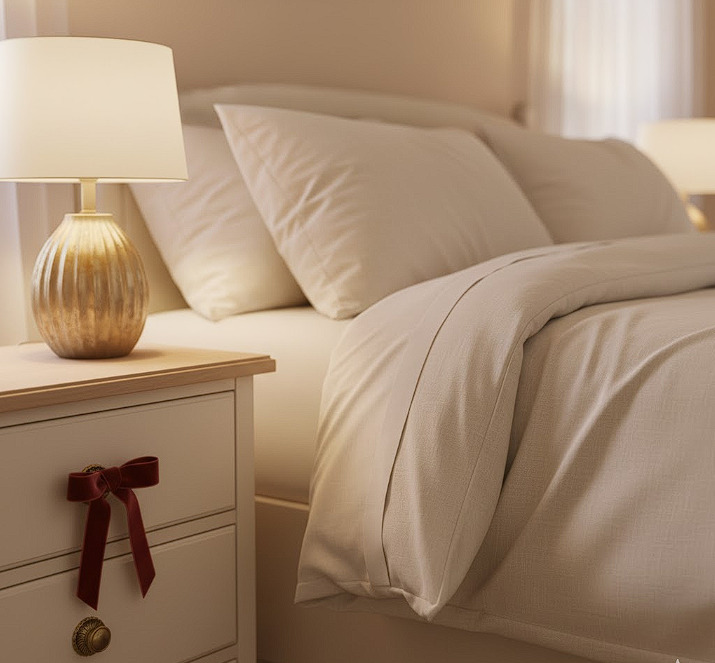
- Linen and Organic Cotton: For bedding and curtains, opt for organic cotton and linen in natural, undyed tones. These materials age beautifully and reduce chemical exposure in your sanctuary.
🖼️ TREND 4: CURATED ACCESSORIES
Accessories are where the personality of the secondhand soul truly shines, requiring careful curation to look luxurious rather than cluttered.
7. Vintage Lighting as Art
Vintage lighting is perhaps the single most impactful thrifted item that instantly elevates a room.
- Scale and Presence: Look for oversized Mid-Century lamps (even with old shades—you can always swap them out!). Their large scale adds high-end designer energy.
- Alabaster and Stone: Decorative pieces made from alabaster, travertine, or soapstone are often overlooked but offer a weighty, expensive feel at a fraction of the cost of new stone decor.
8. The Art of the Mix
The most sophisticated rooms are those that intentionally blend different eras.
- Mix Metals: Combine different metal finishes—unpolished brass, matte silver, or sleek copper—across frames, hardware, and lamps to create a cohesive yet dynamic look.
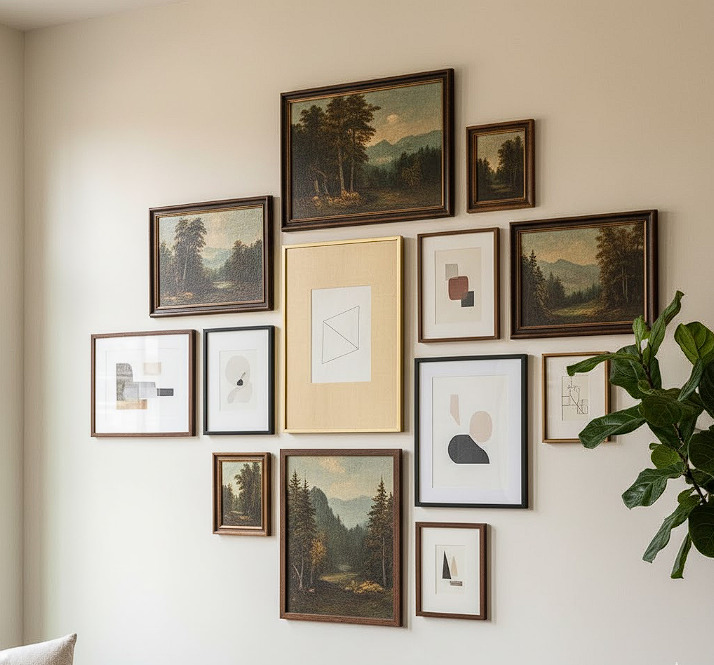
- Frame the Past: Give vintage artwork (oil paintings, botanical prints) a contemporary feel by placing them in modern, sleek frames or using simple white matting. Alternatively, mix and match different wood-toned frames for an effortlessly collected look.
9. TREND 5: SLOW DECORATION AND MINDFULNESS
The most sustainable trend is the philosophy of Slow Furniture and mindful decorating, which aligns perfectly with the Cozy Crafted mission.
10. Shopping with Purpose
- Prioritize Quality: When buying new, choose ethically sourced, high-quality items designed to last. When thrifting, focus on structural integrity and pieces that “have good bones.”
- Shop Your Own Home: Before purchasing anything new, try moving existing furniture or decor from one room to another. A simple re-arrangement can revitalize a space and fulfill your need for change without spending a penny.
- Start Small: If upcycling is daunting, start with a small stool, a side table, or simply switching out the hardware on a chest of drawers for a quick, high-impact win.
Expert Resource: The True Cost of Furniture
Buying secondhand is the ultimate form of carbon-footprint reduction in home decor. A study by the U.S. Environmental Protection Agency (EPA) found that for every ton of furniture reused, an estimated 48.7 metric tons of carbon dioxide equivalent are prevented from being released into the atmosphere. When you choose a vintage dresser, you are actively choosing to reduce significant manufacturing and transportation emissions.
Conclusion: A Home with Integrity
Adopting Sustainable Home Decor Trends is a creative journey—not just a checklist. It’s about designing a home with integrity, filling it with items that tell a story, and reducing your impact without sacrificing beauty. By blending the character of vintage wood with the clean lines of modern style, you create a space that is not only on-trend for 2025 but timelessly Cozy Crafted.
What is the one vintage piece you are hunting for to complete your living room? Tell us about your “secondhand soul” find below!
Love the trend of blending old and new? Pin this guide to your Sustainable Design board and follow Cozy Crafted for more inspiring, high-impact ideas!